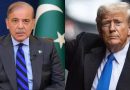
Chief of Defence Forces (CDF) Field Marshal Asim Munir demonstrated, once again, his meticulous negotiating skills as his short visit to Tehran have reportedly brought warring sides closer to a comprehensive deal. Iran, the US and mediator Pakistan all said that progress had been made in talks on ending the war, as CDF concluded a short yet highly productive official visit to Iran on Saturday, with intensive negotiations yielding encouraging progress towards a final understanding on a peace deal. President Donald Trump wrote on his Truth Social platform that an agreement has been largely negotiated, subject to finalisation by the United States and Iran, and that in addition to many other elements the agreement envisages opening of Strait of Hormuz. Tehran also confirmed it was finalising a 14-point framework for a deal, adding a final agreement could be worked out within 30 or 60 days. A Pakistani official involved in negotiations told Reuters that an interim deal to end the Iran war is in its final phase and is “fairly comprehensive”.
That something concrete is emerging out of the Pakistan sponsored mediation efforts was confirmed by an unusual conference call of President Trump with important stakeholders – Saudi Crown Prince, the UAE President, Emir of Qatar, Pakistan’s CDF, Turkish President, Egyptian President, King of Jordan and King of Bahrain – centered on broader memorandum of peace involving multiple countries. The participating leaders encouraged Trump to accept a framework agreement with Iran. The US President also had a separate call with the Israeli Prime Minister, which, according to Trump, ‘went very well’. Prime Minister Shehbaz Sharif praised President Trump for his extraordinary efforts to pursue peace following the important call with regional leaders in which Field Marshal Asim Munir represented Pakistan. He added that Pakistan will continue its peace efforts with utmost sincerity and expressed hope that next round of talks will be hosted very soon. The credit for progress in indirect talks invariably goes to the Field Marshal, who remained in close contacts both with Washington and Tehran and held high-level engagements with Iranian leadership as part of ongoing mediation efforts aimed at promoting de-escalation and constructive engagement, amidst the regional tensions that have simmered after the ceasefire on April 8.
After the first round of talks in Islamabad, the process faced complications due to extreme positions and media diplomacy by leadership of the warring countries yet Pakistani leadership successfully handled the situation and facilitated the two sides to move closer to a deal.
The outcome of Tehran visit shows that mediation process is moving forward steadily, though major challenges remain, and anything could happen until the two countries commit themselves to an understanding in black and white. This is evident from statements emanating from Tehran that create confusion about the progress so far achieved. International wire agencies, citing credible sources, claimed that proposed framework would unfold in three stages: formally ending the war, resolving the crisis in the Strait of Hormuz and launching a 30-day window for negotiations on a broader agreement, which can be extended. However, Iran’s Fars news agency dismissed US President Donald Trump’s announcement of reopening the strait as part of a largely negotiated deal as “incomplete and inconsistent with reality” claiming it would remain under Iran’s management.
Iranian foreign ministry spokesman Esmaeil Baqaei noted what he called “a trend towards rapprochement,” but said “it does not necessarily mean that we and the United States will reach an agreement on important issues.” Of course, there are big challenges but Pakistani mediators proved their mettle so far and hopefully they will be able to safely steer the process to fruition.