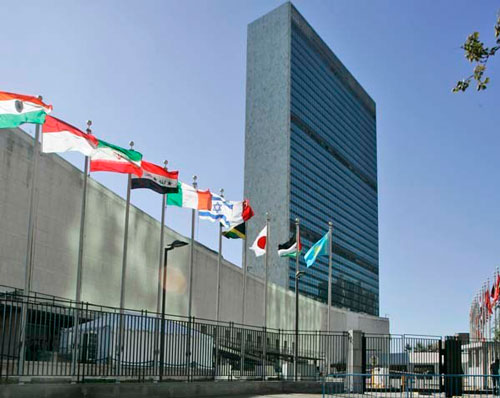

UNITED NATIONS – World leaders wrapped up a week of high-level diplomacy at the United Nations as the discussions on Iran, Ukraine, artificial intelligence and the future of the global body dominated the agenda.
Although the gathering produced no major breakthroughs on the world’s most difficult conflicts, diplomatic contacts continued on several fronts during the 81st UN General Assembly. The UN itself said the high-level week was aimed at restoring global cooperation amid growing international divisions.
Iran diplomacy resumes
The UN provided a venue for indirect contacts between the United States and Iran as efforts to revive diplomacy continued following the collapse of a ceasefire in July.
Iranian Foreign Minister Abbas Araqchi and US representatives Steve Witkoff and Jared Kushner communicated through intermediaries. Tehran was reviewing US responses to its proposals, including measures concerning the US naval blockade of Iranian ports and the Strait of Hormuz.
Despite the contacts, no immediate agreement appeared likely. US Secretary of State Marco Rubio said reaching an understanding would require sustained negotiations.
Ukraine talks remain limited
Rubio also met Russian Foreign Minister Sergey Lavrov, with discussions reportedly touching on the possibility of limited arrangements covering energy infrastructure and grain-related activity.
Ukraine and its partners are seeking limited agreements before winter, particularly to protect energy facilities and maintain Black Sea shipping. However, Lavrov’s subsequent remarks at the Security Council offered little indication that Moscow was prepared for a broader engagement.
AI emerges as a major issue
Artificial intelligence received unusually strong attention during this year’s UN gathering, alongside traditional issues such as war, climate change and development.
UN Secretary-General António Guterres called for stronger international cooperation on AI governance and warned that critical decisions should not be handed over to machines.
Industry leaders, including OpenAI CEO Sam Altman and Anthropic CEO Dario Amodei, also participated in discussions on managing the risks associated with rapidly advancing AI technology.
US President Donald Trump, meanwhile, praised AI’s potential while opposing international efforts that he viewed as attempts to impose global control over the technology.
Venezuela draws attention
Venezuela’s interim President Delcy Rodriguez made a high-profile appearance in New York, including her first in-person meeting with Trump since taking office following the removal of former President Nicolas Maduro.
Her delegation held discussions with US officials, international lenders and companies, with Venezuela’s sovereign debt and economic restructuring among the issues under discussion.
UN faces uncertain future
The gathering also highlighted challenges facing the United Nations itself, including financial pressures, geopolitical divisions and questions over its influence.
Guterres delivered his final General Assembly address as secretary-general this week before his second term ends on December 31. He has called for reforms to global institutions, including the Security Council, while urging greater international cooperation on conflicts, climate change and AI.
The process to select his successor is now underway as the member states expected to use a multi-stage selection procedure before a new secretary-general is appointed.
The next UN high-level week will take place amid continuing conflicts, technological disruption and pressure for reforms to the international system.