ISLAMABAD – No major breakthrough in expected US-Iran talks as Iranian delegation led by Foreign Minister Abbas Araghchi wrapped up a crucial visit, while Washington called off envoy’s visit for fresh engagement.
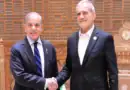
Araghchi held lengthy, closed-door meetings with PM Shehbaz Sharif and Army Chief Asim Munir, in what officials described as deep and strategic discussions on the region’s volatile situation. Iranian envoy later called the visit “very fruitful,” praising Pakistan’s role as a key mediator working to steer the region away from further conflict.
Behind the scenes, stakes were far higher. Araghchi reportedly delivered Tehran’s firm negotiating stance, laying out both its demands and strong reservations regarding US expectations. He stresssed Iran’s push for “workable framework” to permanently end the conflict, while openly questioning whether Washington is truly serious about diplomacy.
Pakistani leadership, for its part, doubled down on dialogue over confrontation. Officials highlighted the urgency of diplomacy, with Sharif describing the exchange as “warm and cordial” while stressing the importance of peace and stronger Pakistan-Iran ties. A separate meeting between Araghchi and Munir further underscored the military and strategic dimensions of the talks.
Trump pulled the plug on a planned visit by US envoys Steve Witkoff and Jared Kushner—who were set to travel to Pakistan for another round of Iran talks.
POTUS dismissed the trip as waste of time, declaring that the United States “has all the cards” and insisting Iran could initiate contact if it truly wanted negotiations. He also pointed to internal confusion within Iran’s leadership, suggesting it was unclear who was in charge.
Despite the sudden cancellation, Trump stopped short of signaling a return to conflict, leaving the situation hanging in uncertainty.
The developments unfold against the backdrop of a shaky, open-ended ceasefire between the US and Iran—one that exists on paper but remains riddled with unresolved disputes. Critical issues like sanctions, nuclear restrictions, and the sequencing of concessions continue to divide both sides.
Interestingly, while Washington had been preparing for direct engagement, Tehran maintained that no such meeting was on the table, preferring to communicate its stance through Pakistan’s mediation.
With Islamabad acting as a diplomatic bridge, backchannel communications remain alive—but the path forward is anything but clear. As tensions simmer and positions harden, the region now finds itself in a high-stakes waiting game where one wrong move could undo the fragile calm