
THE ceasefire has been extended until Iran’s proposals are formally tabled.
Pakistan has intensified efforts to broker an agreement between the warring parties. Field Marshal Asim Munir travelled to Tehran, while the Prime Minister visited Saudi Arabia, Qatar and Türkiye. The outcome appears cautiously positive, though fears of spoilers persist. A major spoiler remains Israel. Its influence over the United States, particularly under Netanyahu, is widely perceived as significant. Reports suggest an unusual degree of alignment between Israeli leadership and American decision-making. Under pressure linked to the negotiations, Lebanese and Israeli sides agreed to a fragile ten-day ceasefire, though the Lebanese Prime Minister sought to delink it from broader developments.
The Strait of Hormuz has alternated between being open and restricted for commercial shipping. Iran attributes disruptions to American interference, while international pressure—especially from China and Russia—aims to ensure uninterrupted maritime access. Although an agreement appears possible, delays may arise due to rigidity on both sides and the question of who concedes first. Earlier US-Iran talks facilitated through Pakistan remained inconclusive. As a pressure tactic, the United States reportedly restricted access to the Strait of Hormuz, while Iran responded by deploying sea mines, effectively deterring US naval movement. Despite tensions, the ceasefire holds, which is a positive sign. However, the risk of escalation persists if talks stall or collapse. Multiple actors appear invested in derailing the process.
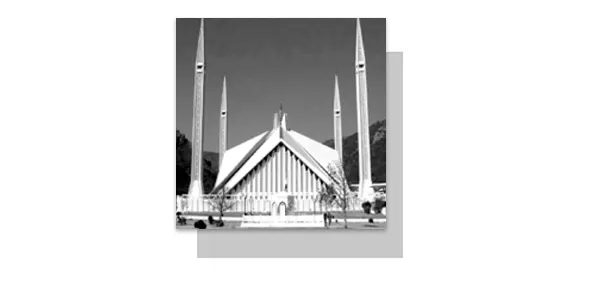
Despite political rhetoric, encouraging signals continue to emerge, regardless of statements from President Trump. Hosting these talks in Pakistan carries immense strategic significance and enhances its diplomatic stature. Regardless of the outcome, a multipolar world order with multiple power centres is increasingly evident. Iran is consolidating itself as a regional power, while Pakistan is emerging as an influential player in South Asia. Pakistan’s role as a mediator is rooted in its unique position. It is the only Muslim nuclear power, enjoys a level of trust with Iran and possesses credible military strength. Simultaneously, the United States maintains leverage over Pakistan due to its political fragility and reliance on institutions such as the IMF and World Bank, which often function as instruments of broader strategic influence.
Pakistan benefits from its strategic partnership with China through CPEC, alongside improving ties with Russia and acceptability within the European Union, strengthening its role as a multipolar actor and credible mediator. However, the gains remain uncertain: success would elevate its geopolitical standing, while failure could bring economic and political risks, demanding a cautious and clear strategy. To strengthen its position, Pakistan needs a long-term economic strategy. This includes adopting austerity measures, reducing government expenditure and possibly delaying certain development projects to escape the cycle of debt and IMF dependency. Excessive taxation and unchecked bureaucratic powers discourage investment, particularly at a time when capital flows from Gulf countries could be redirected due to regional instability. It is also notable that mechanisms such as FATF scrutiny are not applied to Gulf States with the same intensity.
On the diplomatic front, Pakistan could leverage its role to encourage the United States to press India on resolving the Kashmir issue. Iran’s resistance has demonstrated that even a superpower can be compelled to acknowledge emerging multipolar realities and engage in negotiations. The costs of war are immense, not only for the United States and Iran but also for the global economy. The roots of American involvement in Iran trace back to the 19th century, when Iran was caught between Russian expansionism and British India. In the mid-20th century, the democratically elected government of Mohammad Mossadegh was overthrown in a CIA-backed operation, leading to the installation of Reza Shah. His regime, supported by the United States, suppressed opposition through harsh measures.
The Iranian Revolution, led by Imam Khomeini, overthrew the Shah and marked a turning point in Iran’s relations with the United States. The subsequent hostage crisis and the closure of the US embassy entrenched hostility between the two nations. For over four decades, Iran has faced sanctions, with the US accusing it of supporting proxy groups in Yemen, Lebanon and elsewhere. Despite sustained pressure, Iran has demonstrated resilience. It has developed a functional modern society and strengthened its military capabilities. Recognizing its inability to match conventional US military power, Iran invested in asymmetric warfare strategies, including drone technology and missile systems. Underground facilities have been established for production and advancements in indigenous scientific expertise have bolstered its defence capabilities.
Iran also pursued nuclear development with external assistance, notably from Russia, which intensified tensions with the United States and Israel. Sanctions, rather than weakening Iran, appear to have reinforced its self-reliance and national resolve. Following the Iran–Iraq war, Iranian leadership adopted a strategy to expand its influence across the Muslim world, supporting causes in Palestine, Lebanon and beyond. The present conflict can be seen as a continuation of longstanding efforts to contain Iran. Allegations regarding nuclear proliferation are often viewed as part of a broader strategic narrative. Iran’s position is perceived as a challenge to the concept of a “Greater Israel,” making it a focal point of geopolitical contestation. Consequently, there have been persistent efforts to reshape Iran’s political landscape.
The ongoing talks in Islamabad are critical for global peace despite persistent obstacles, as the reported deployment of around 50,000 troops at US bases in the Gulf signals a troubling buildup and raises the risk of renewed hostilities if negotiations fail. Such an outcome would disrupt global energy supplies, trigger economic instability and cause widespread human suffering. For Pakistan, a diplomatic breakthrough is vital, though it must remain prepared for all contingencies. The situation highlights both the opportunities and risks in Pakistan’s engagement, with success hinging not only on external dynamics but also on its internal economic resilience and strategic foresight.
—The author is a Brigadier Retired, a decorated officer with 32 years of active combat experience, 30 years in corporate sector as MD/COO. A column writer, Researcher and TV analyst.