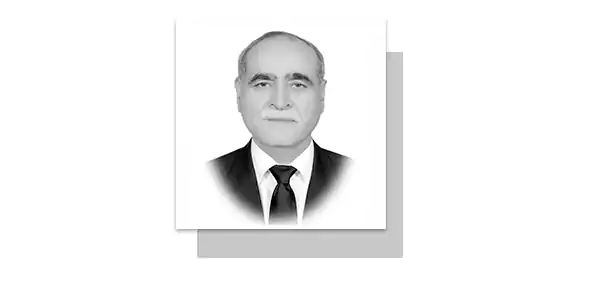
Zahid Maqsood Sheikh
Pakistan’s economy stands at a critical juncture. Despite its abundant natural resources, hardworking population and immense potential, much of this promise remains unrealized. The country produces a significant amount of goods and ranks highly in various sectors but struggles to convert this potential into real economic strength. The issue lies not in what Pakistan can produce, but in how it manages and markets what it already possesses.
Agriculture, the cornerstone of Pakistan’s economy, demonstrates its natural advan-tage. The country ranks eighth in wheat production and fourth in basmati rice pro-duction globally. Cotton, crucial for the textile industry, holds a similar position and Pakistan also ranks among the top producers of citrus fruits and mangoes. However, while the land produces generously, much of the agricultural output’s value is lost due to poor processing, lack of packaging and inadequate marketing systems.
Similarly, in the livestock and dairy sector, Pakistan produces over sixty million me-tric tons of milk annually and is home to over a hundred million animals. Yet, lives-tock exports are minimal and the country continues to export raw meat and unpro-cessed milk, missing out on the higher value of finished, branded goods. The ab-sence of modern processing facilities is a key factor in this missed opportunity.
Pakistan’s mineral and industrial sectors also reflect this inefficiency. While the country is rich in salt, coal and copper, much of these resources are exported in raw form. For example, Pakistan ranks second globally in salt production but earns only fifty million dollars from it. The lack of domestic refining limits the value that Pakistan can capture from its own resources.
The textile sector, though a major contributor to exports, faces a similar challenge. While generating over thirteen billion dollars annually, the sector’s reliance on basic cotton products keeps it vulnerable to fluctuations in global prices and energy shortages. Countries like Bangladesh have overtaken Pakistan by focusing on value addition, branding and consistent policies, areas where Pakistan has yet to catch up.
Pakistan’s struggles are not unique. Many countries, such as Vietnam, Bangladesh, Turkey and Chile, faced similar challenges but successfully transitioned from producing raw goods to high-value exports. These countries invested in their people, infrastructure and industries. For instance, Vietnam transformed from an agrarian economy to a major exporter of electronics and garments, while Chile moved from raw copper exports to mineral refining. These nations linked production with innovation, building industries that catered to global markets.
For Pakistan, the solution lies in aligning its strengths with long-term strategies. This includes creating export-oriented clusters, investing in processing and packaging facilities and fostering links between research institutions and industries. Additionally, the country needs to modernize agriculture through technology, focus on branding and innovation in textiles and improve energy supply. Education should emphasize technical and industrial skills and business regulations need to be simplified to attract investment.
The key to Pakistan’s economic revival is not in increasing production, but in en-hancing the value derived from existing resources. By following the examples of countries like Vietnam and Turkey, Pakistan can shift from being an exporter of raw goods to a global leader in quality and innovation. To move from abundance to ad-vantage, Pakistan must adopt a clear vision, maintain consistent policies and foster an environment where production is coupled with purpose. Only then will the country realize its full economic potential.
—The writer is a former technocrat