




LONDON – Millions of shoppers search products of Google before making purchase on Amazon, but now e-commerce giant wants to change that. The giant is reportedly exploring ambitious plan to build global database covering nearly every product sold worldwide, even those unavailable on its own platform, in a bold move to challenge Google’s dominance in online product searches.
Amazon is openly challenging Google’s dominance in online product searches and changing how millions of consumers discover and purchase goods.
The proposed initiative, internally known as World Product Graph, would extend Amazon’s reach far beyond products listed on its own marketplace, bringing information about items sold by rival retailers, independent brands and third-party websites into one enormous digital catalogue.
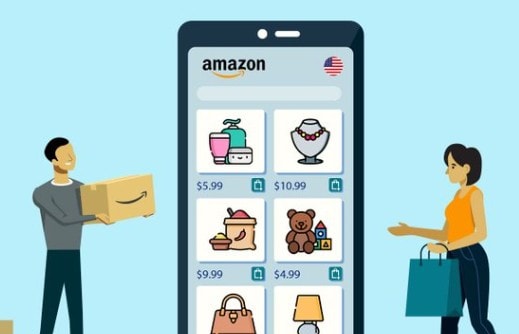
The project shows Amazon’s growing determination to control not only where consumers shop but also where they begin their search for products. If developed, the system could position Amazon as a central destination for product comparisons, research and AI-powered shopping, potentially weakening the influence of Google and competitors such as Walmart.
Amazon also disputed document’s relevance, describing it as outdated brainstorming material rather than a reflection of its current business plans.
At heart of the proposal is collecting detailed information about nearly every product available across international markets, regardless of whether Amazon actually sells it. Instead of searching Google, visiting manufacturers’ websites or reading online forums, customers could potentially find specifications, comparisons and product information directly through Amazon.
The proposed system would rely on a continuous flow of information from manufacturers and retailers, supplemented by Amazon’s own automated collection of publicly accessible website data.
The reported planning document also identifies several major multinational corporations as potential participants. Coca-Cola and Bayer were described as willing to provide product information, while Amazon had reportedly engaged Procter & Gamble (P&G) in discussions involving a CEO-level summit and a possible pilot programme.
The commercial stakes become clearer when examining consumer shopping behaviour. A report found that more than half online shoppers begin researching products through Google, compared with just 16% who start on Amazon. However, when customers already know exactly what they intend to purchase, Amazon takes the lead with 41%, against Google’s 23%. Some accounts of the research also put Walmart’s share at 18%.
This gap exposes potentially lucrative opportunity for Amazon: capturing consumers before they have decided what to buy. By becoming the starting point for product research, Amazon could attract more shopping traffic, increase advertising opportunities and reduce dependence on external search engines.
Google moves to make AI Search changes as Publishers lose 40pc of Search Traffic
Another major motivation behind the proposed database is improving Amazon’s artificial intelligence shopping technology. The company’s assistant, originally called Rufus and renamed Alexa for Shopping in May 2026, was reportedly criticised in the internal document for generating inaccurate or incomplete responses.
The document claimed the assistant handled approximately 83 million searches every week, placing considerable pressure on operating costs. Amazon rejected the relevance of those figures, saying they were outdated and that its shopping assistant currently delivers around 97% accuracy worldwide.
CEO Andy Jassy has also reported that more than 400 million customers used Alexa for Shopping over the past 12 months. A more comprehensive product database could potentially improve AI responses while allowing Amazon to deploy less expensive technology.
The proposed initiative comes as technology companies increasingly develop AI agents capable of searching, comparing and purchasing products on behalf of consumers. Amazon has already faced disagreements with competing AI companies over automated access to its marketplace.
Earlier this year, Amazon blocked Meta’s Muse shopping agent, citing unauthorised access. The company has also clashed with Perplexity over AI-driven shopping activity. Separately, complaints about restrictions affecting xAI’s Grok bots prompted Elon Musk to suggest the possibility of creating an Amazon competitor.


