
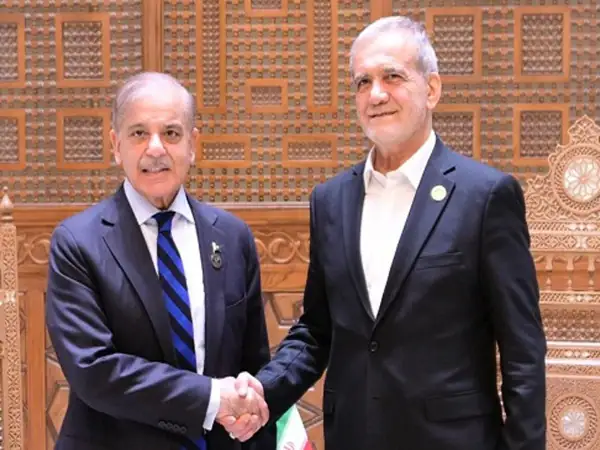

ISLAMABAD – Prime Minister Shehbaz Sharif held crucial phone call with Iranian President Masoud Pezeshkian, discussing the rapidly shifting regional situation and urgent efforts to secure peace.
Calling the exchange “pleasant and constructive,” Sharif underscored the importance of close coordination at a time when tensions remain high and the future of negotiations hangs in the balance.
The conversation came on heels of intense diplomatic engagement, including high-profile Islamabad visit of Iranian Foreign Minister Abbas Araghchi, who has now moved on to Muscat as part of a broader regional tour that also includes Moscow. His meetings in Oman are expected to focus on both bilateral ties and the wider regional crisis.
Sharif praised Tehran’s sustained diplomatic outreach, particularly Araghchi’s visit, and reiterated Pakistan’s readiness to act as a neutral and sincere mediator. He emphasized that Islamabad, backed by friendly nations, remains committed to doing “everything possible” to ensure lasting peace and stability in the region.
Islamabad witnessed a day of relentless diplomatic activity, followed by rising questions after Araghchi’s departure and the sudden cancellation of a planned US delegation visit. With backchannel efforts intensifying, speculation is mounting over what exactly was discussed behind closed doors between Pakistani and Iranian officials.
Observers are asking whether Iran used this visit to quietly pass on its demands, especially after Donald Trump extended the ceasefire window to give Tehran time to prepare a “unified proposal.” So far, there is no clear answer.
Pakistan stepped forward as a key bridge between the two sides, keeping communication alive. Yet, as tensions persist and positions harden, this mediating role is becoming more complex and challenging by the day.
Despite uncertainty, Araghchi described his Pakistan visit as “very fruitful,” openly appreciating Islamabad’s “brotherly efforts” to restore peace. He confirmed that Iran had shared its stance on a practical framework to permanently end the war—but also cast doubt on whether Washington is truly committed to diplomacy.


