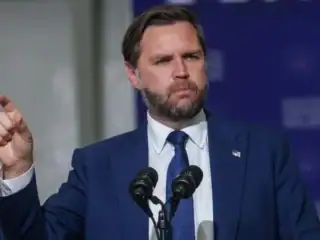
WASHINGTON – US Secretary of the Army Dan Driscoll has submitted his resignation to President Donald Trump, marking the latest major change in the senior leadership of the US military.
The White House confirmed Driscoll’s resignation but did not provide a specific reason for his departure.
His resignation follows months of reported tensions with US Defense Secretary Pete Hegseth over the direction of the Army and changes involving senior military officials.
Driscoll has served as the Army’s top civilian official since February 2025. An Iraq war veteran and a longtime associate of Vice President JD Vance, he was closely involved in efforts to modernize the Army and improve its readiness.
The latest reports suggested that disagreements between Driscoll and Hegseth intensified over Army policy, modernization plans and the removal or reassignment of senior military officers. Hegseth has overseen a series of leadership changes at the Pentagon and within the Army, some of which reportedly took place without Driscoll’s prior knowledge.
The White House praised Driscoll’s performance, saying he had played an important role in advancing the Trump administration’s defense agenda, strengthening military readiness and supporting diplomatic efforts related to the Russia-Ukraine conflict.
Driscoll is expected to leave the Pentagon in the coming days. Reports indicate that his departure could take effect as early as September 3, although details surrounding the transition have not been fully announced.
His resignation comes at a sensitive time for the US military, which is facing continued operational and strategic pressures, including the ongoing conflict with Iran and broader security challenges.
The departure also adds to a series of senior leadership changes at the Pentagon under Hegseth. The Army has experienced particularly significant upheaval, including the removal of senior officers and changes to its leadership structure.
Driscoll’s successor has not yet been announced. As the Army’s senior civilian official, the secretary plays a key role in overseeing the service’s budget, modernization, personnel policies, readiness and long-term planning.
His resignation is therefore expected to draw close attention as the Trump administration considers its next appointment to lead the Army’s civilian administration.