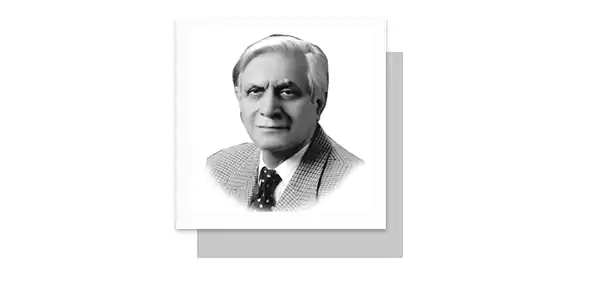
Dr Faisal Javaid
PRIME Minister Shehbaz Sharif’s three-day visit to Russia, beginning on November 30, comes with a familiar script: talks on discounted Russian crude and gas, help in reviving Pakistan Steel Mills, a business forum of around 100 Pakistani companies, and trade settlement in rupees and roubles.
The two countries have been here before. For over a decade, Pakistan-Russia relations have produced warm communiqués, memoranda of understanding and high-level visits, but little that survives a shift in oil prices, governments or sanctions. The question is not whether Islamabad and Moscow can agree, but whether they can build something that works when it is inconvenient. My argument is simple: the relationship will remain largely rhetorical unless this visit establishes two things — a payments channel that can withstand Western sanctions and an energy framework built on long-term contracts rather than test cargoes. The record is instructive. The Pakistan Stream Gas Pipeline, agreed in 2015 and restructured in 2021, remains largely on paper. The first Russian crude cargo reached Karachi in June 2023; within weeks, purchases were reportedly suspended over thin margins, a high furnace oil yield in local refineries, freight costs and foreign exchange shortages. Bilateral trade remains below $1 billion a year and heavily tilted in Russia’s favour. Yet defence contacts, counterterrorism dialogue and coordination on Afghanistan have all deepened. On Oct 14, the two Interior Ministers signed anMoU on organised crime. The problem is not goodwill. It is architecture: the institutions, contracts and financial plumbing that allow goodwill to outlast the moment.
Payments must come first. Pakistani banks depend on Western correspondent relationships and the country relies on IMF, Gulf and Western financing. No major bank will risk its dollar access for a modest Russian trade account, which is why ad hoc fixes have not scaled. Last week’s technical talks in Moscow on payment settlement suggest both sides know this. A sanctions-resilient channel would need a few designated banks with no meaningful Western exposure, rupee-rouble clearing backed by a third currency such as the Yuan and clear State Bank guidance. It also needs a use for surplus balances. India learned this when Russia piled up rupees it could not spend; Pakistan, with more lopsided trade, would hit that wall sooner. Joint ventures, exports and industrial investment could absorb those balances if planned from the start. The second deliverable is an energy framework that does not rely on spot discounts. A cheap barrel is not cheap if it travels the long way round, yields too much furnace oil and must be paid for in scarce dollars. What is needed is a multi-year contract with predictable pricing, crude grades suited to Pakistani refineries, shipping and insurance independent of Western providers and room for LNG.
Pakistan Stream needs a candid joint review of its route, structure and financing, not another revival announcement; announcing it again without a credible financing plan would only weaken confidence. Pakistan Steel Mills, built with Soviet help in the 1970s, is a natural symbol of renewal, but its revival is an investment decision, not a diplomatic gesture. Its real value may be as a home for Russian rupee earnings.
Beyond the bilateral ledger, Pakistan chairs the Shanghai Cooperation Organisation and will host its next heads of state summit. It markets Karachi, Port Qasim and Gwadar as Central Asia’s outlet to the sea and seeks a preferential trade agreement with the Eurasian Economic Union. Russia is a stakeholder in each. Economically connected to Russia, not merely friendly, Pakistan could become a southern terminus of the north-south corridors running through Central Asia. Both capitals also need a stable Afghanistan, which continuing clashes at AngoorAdda and Torkham show is far from assured.
Islamabad must manage this without unsettling Washington, the IMF and the Gulf, on which it depends for finance, or Beijing, its main investor. The answer is not to avoid Russia but to build ties that are commercial, transparent and modest in their claims. Sanctions-resilient architecture is less provocative than grand strategic declarations.
The government has promised a historic visit; history will be measured by deliverables, not optics. Five tests would separate architecture from goodwill: a signed payments arrangement naming the banks and currencies involved; a multi-year energy agreement with defined volumes and pricing; a joint review of Pakistan Stream with a realistic financing plan; a timetable for trade talks with the Eurasian Economic Union and a six-monthly implementation review. If the Prime Minister returns with even three of these, the visit will mark a genuine turn. If he returns with more MoUs and a statement on friendship, it will join a long list of hopeful beginnings. Pakistan and Russia do not lack goodwill. What they have lacked is the patience to build the plumbing beneath it.
The writer is head of Department of IR at Federal Urdu University of Arts, Science and Technology, Islamabad & Senior Vice President of CAPES.