PAKISTAN’S political landscape has always needed leaders who view politics as more than a pursuit of power, party affiliation or electoral success. The true significance of political leadership lies in its ability to connect governance with national unity, institutional stability, public welfare and the strengthening of the federal system. Senator Muhammad Abdul Qadir’s political philosophy and parliamentary role deserve to be examined within this broader national context. A central feature of his political outlook is the vision of a united, stable and strong Pakistan in which a powerful federation and the constitutional, political, economic and administrative rights of the provinces complement rather than contradict one another. National unity, in this sense, is not simply about preserving geographical boundaries; it is about building public trust, ensuring equal opportunities and guaranteeing the fair distribution of national resources.
The cornerstone of his ideological politics is the concept of a Pakistan in which the federation remains strong while the distinct identities, autonomy and constitutional status of its provinces are fully respected. In a diverse, multiethnic and multicultural society such as Pakistan, federal strength can’t be measured merely by the concentration of authority in the central government. Another significant dimension of his political philosophy is national security and defence self-reliance. As Chairman of the Standing Committee on Defence Production, he holds a position directly connected with Pakistan’s defence requirements, industrial capabilities, technological advancement and national sovereignty. In the prevailing regional and international environment, military preparedness guarantees a state’s security. Economic stability, domestic cohesion and institutional strength are equally indispensable.
Public welfare and economic development also occupy central position in his political priorities. In his response to the federal budget in June 2026, he emphasized economic stability, development projects, investment and the expansion of business activities while drawing attention to the need for greater relief for low-income communities. Employment opportunities, education and accessible healthcare, he argued, must receive greater attention. This approach highlights an important principle: economic progress should not be measured exclusively through GDP growth, government revenue or financial statistics. Its real measure is the improvement it brings to the everyday lives of ordinary citizens.
The people of Balochistan need employment, quality education, healthcare, clean drinking water, roads, electricity and opportunities for entrepreneurship. Gwadar’s strategic geographical position and economic potential can become a source of national prosperity only when the local population becomes genuine beneficiary of development. Fair distribution of revenue generated through natural resources, technical training for local youth and opportunities for private investment are among the most effective ways to strengthen public confidence and national integration. His broader political vision places considerable importance on constitutional supremacy, parliamentary sovereignty, respect for provincial rights, transparent accountability and political dialogue. Differences of opinion should not be treated as threats to national unity; they are a natural and necessary feature of a democratic system. Strengthening Pakistan’s unity requires all provinces, political parties and national institutions to operate within a common constitutional and democratic framework.
A united Pakistan, a strong federation, empowered provinces, defence self-reliance, economic stability and public welfare are interconnected national objectives. The success of any political leader must ultimately be judged not only by the principles they advocate but also by their commitment to translating those principles into action. Senator Abdul Qadir’s political priorities must remain closely connected with the practical needs of people across all provinces, particularly those of Balochistan, where the challenges of development, representation and economic opportunity require sustained national attention.
Pakistan’s strength depends on the collective progress of all the provinces, constitutional supremacy, democratic continuity, institutional harmony and the confidence of the people. The vision of one Pakistan, a strong federation and empowered provinces is far more than a political ideal. It is a fundamental requirement for a peaceful, stable and prosperous future. The country’s long-term strength will depend on its ability to transform diversity into unity, provincial autonomy into shared responsibility and national resources into opportunities for all citizens.
Senator Abdul Qadir believes in national unity, a strong federation, empowered provinces and a prosperous Pakistan. The enduring lesson of this political philosophy is that Pakistan becomes stronger not when its provinces become weaker, but when every province is empowered, every citizen is respected and every institution fulfils its constitutional responsibilities. That is the foundation upon which a truly united Pakistan can build a more secure and prosperous future for generations to come.
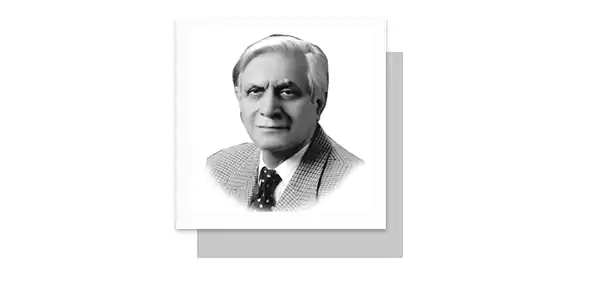
—The writer is editor, political analyst & author of several books based in Islamabad.