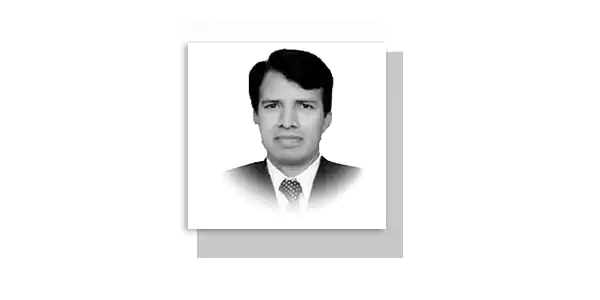
Ahsan Ansari
THE privatization of Pakistan International Airlines (PIA) has reached a historic milestone, marking a decisive shift in Pakistan’s economic reform agenda.
Once a symbol of national pride and global connectivity, PIA gradually became burdened by chronic financial losses, weak governance, political interference and operational inefficiencies. After decades of failed reform attempts and mounting fiscal pressure, the government’s move toward privatization has emerged as a necessary and strategic decision rather than a sudden policy shift.
The breakthrough came through a transparent and competitive bidding process held in Islamabad and broadcast live to ensure public confidence. The Arif Habib–led consortium secured a 75 percent stake in PIA with a bid of Rs. 135 billion, significantly higher than the government’s reference price of Rs. 100 billion. This strong response demonstrated renewed investor confidence in the airline’s long-term potential, infrastructure and strategic value, despite its troubled past. Three major bidders participated: the Arif Habib Consortium, the Lucky Consortium and Airblue. Airblue was eliminated in the first round after failing to meet the base price. The final contest between the Arif Habib and Lucky consortiums was intense, with both sides increasing their bids in successive rounds. Ultimately, the Arif Habib Consortium prevailed by a narrow margin of Rs. 1 billion, lending credibility and transparency to the process.
Under the agreement, PIA’s valuation stands at approximately Rs. 180 billion. The government will retain a 25 percent share, while management control will transfer to private investors upon completion of legal and financial formalities. Importantly, the deal emphasizes reinvestment, with funds earmarked for operational improvements, debt management and modernization, rather than being absorbed solely into the national exchequer.
Prime Minister Muhammad Shehbaz Sharif welcomed the development, describing it as a positive signal for economic reforms and investor trust. The federal cabinet and the Cabinet Committee on Privatization formally approved the transaction, reaffirming that the objective is institutional revival, not the distress sale of national assets. Finance officials stressed that privatization aligns with broader efforts to reduce losses of state-owned enterprises that have long strained public finances.
Arif Habib Group Chairman Arif Habib termed the acquisition a national responsibility as well as a commercial venture. He emphasized plans to introduce professional governance, modern business practices and long-term planning to restore PIA’s credibility. The agreement also allows the consortium to bring in strategic international partners, potentially enhancing technical expertise and global competitiveness.
Employee concerns have been partially addressed through assurances of job continuity during the initial transition phase. While gradual restructuring may follow, the focus on stability aims to maintain workforce morale and operational continuity.
Despite ongoing public debate about valuation and national identity, PIA’s privatization represents a bold and necessary step. If managed responsibly, it could mark the beginning of a new chapter—transforming the airline into a sustainable, competitive and professionally run institution once again.
—The writer occasionally contributes.