A study of older adults in the United Kingdom finds that people who are lonely are more likely to develop type 2 diabetes, independent of other risk factors such as smoking, alcohol consumption, and weight.
Loneliness, in which a person’s social needs are not met, may be on the rise. A recent report found that almost half of people in the United States sometimes or always feel alone.
Loneliness is even more common among younger generations, with almost 80% of Gen Z and more than 70% of millennials experiencing this feeling.
Some believe that technology may play a part in feelings of loneliness among younger generations, with social media and other forms of online communication increasingly replacing genuine human connection.
Beyond the negative emotional impact of feeling isolated, loneliness is also a major risk to physical health. Research has associated loneliness with coronary heart disease and found that loneliness may be a greater threat to health than obesity. One study even suggested that people who are lonely have a higher mortality risk than individuals who do not feel alone.
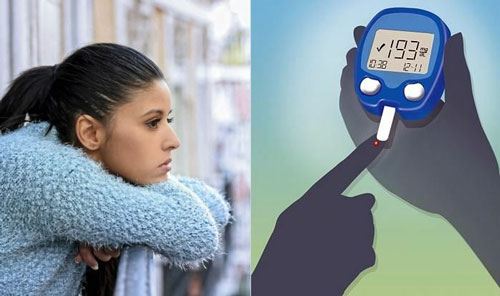
A new study from Kings College London in the U.K. adds to the list of health concerns associated with loneliness, finding that people who are lonely may be more likely to develop type 2 diabetes.
The researchers found that loneliness was a significant predictor of diabetes. This finding held when they took account of potential confounding factors, such as age, sex, ethnicity, wealth, smoking, physical activity, body weight, alcohol consumption, hypertension, and cardiovascular disease.
The study, which is the first to find an association between loneliness and type 2 diabetes, is based on data from more than 4,000 people aged 50 years and above, with an average age of 65 years. The collection of the data took place during the English Longitudinal Study of Ageing.
At the start of the current study, none of the participants had diabetes, and they all had blood glucose levels within a healthy range.
During a follow-up period of 12 years, 264 people in the study (roughly 6% of the sample) developed type 2 diabetes. The researchers found that the level of loneliness that people experienced at the start of the study was a significant predictor of who would go on to develop diabetes. The assessment of loneliness occurred at the start of the study using a scale that a psychologist developed.
Loneliness associated with diabetes risk

Related Posts




Health"}],"exclude_current_post":true,"useQueryEditor":true,"user_id":24,"time":1764018053,"signature":"c8aa3842b9354b8f1c1502eef5af9de6","post_type":"post","post__not_in":[111921],"tax_query":[{"taxonomy":"category","field":"term_id","terms":[27]}],"paged":1}" data-page="1" data-max-pages="418" data-start="1" data-end="4">