
Exclusive Story
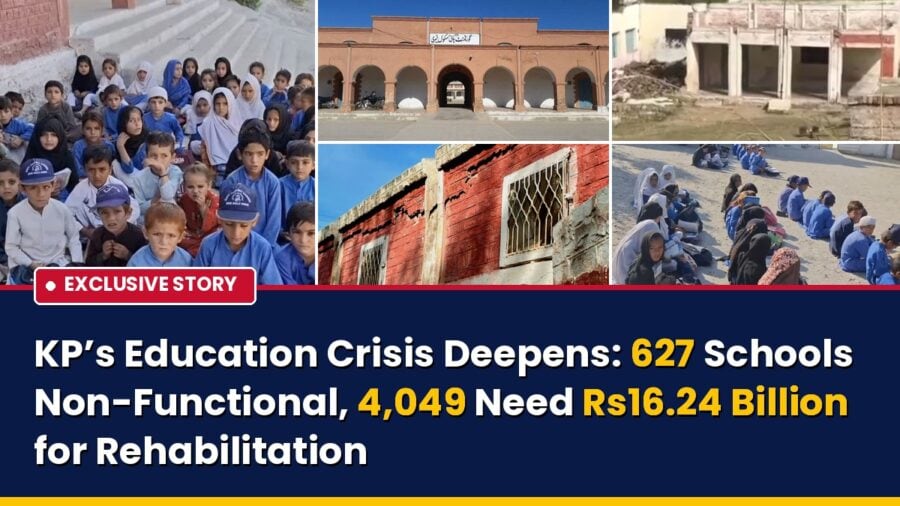
KOHAT, October 29, 2026 : The education sector of Khyber Pakhtunkhwa is facing a mounting crisis, with 627 government schools reportedly non-functional and another 4,049 school buildings requiring rehabilitation and reconstruction at an estimated cost of Rs16.24 billion. The figures paint a troubling picture of an education system struggling to provide both functional schools and safe classrooms to children across the province.
The situation is particularly concerning for students in remote, mountainous and underserved areas, where the closure of a school or the deterioration of an existing building can mean losing access to education altogether. Teacher shortages, low or zero enrolment, local disputes, encroachment and dilapidated infrastructure have compounded the challenges facing the provincial education authorities.
The scale of the infrastructure problem came into sharp focus following a tragic school-roof collapse in Peshawar that reportedly killed around 33 students and a female teacher. In response, the provincial government directed the Elementary and Secondary Education Department (E&SED) to inspect public and private school buildings across Khyber Pakhtunkhwa, assess their structural safety, and prepare a comprehensive report outlining the rehabilitation and reconstruction work required, along with estimated costs.
According to the Education Department’s initial assessment, 4,049 government school buildings for both boys and girls require rehabilitation or reconstruction, at an estimated cost of Rs16.24 billion. The identified work includes 8,088 classrooms, 2,949 group latrines, and 48 examination halls, highlighting the scale of repairs and reconstruction needed to improve school facilities across the province.
The findings have raised questions about the availability of funds, the prioritization of unsafe buildings and the timeframe for completing the required work. For thousands of students, the condition of their schools is not merely an infrastructure issue but a matter of safety, attendance and their ability to continue learning without disruption.
627 Government Schools Remain Non-Functional
While the rehabilitation survey has highlighted the poor condition of school infrastructure, the continued closure of hundreds of government schools presents another serious challenge.
According to data compiled by the Education Department, 411 of the 627 non-functional schools are located in the merged districts, while the remaining 216 are in the settled districts of Khyber Pakhtunkhwa.
One of the most troubling findings is that 226 non-functional schools have buildings but no teachers. In these cases, public infrastructure exists, yet children cannot benefit from it because teaching staff are unavailable. The situation raises concern about teacher recruitment, deployment and the effective utilization of public resources.
The problem is especially significant in the merged districts of the former Federally Administered Tribal Areas (FATA), which became part of Khyber Pakhtunkhwa in 2018. Following the merger, the six former tribal agencies were designated as merged districts, while the Frontier Regions were reorganized into tribal subdivisions attached to their respective settled districts.
District-wise figures show that North Waziristan has 111 non-functional schools, followed by Upper South Waziristan with 99, Kurram with 53, Khyber with 27, Orakzai with 22 and Lower South Waziristan with 20.
The problem also extends to tribal subdivisions attached to settled districts. The available data lists 45 non-functional schools in the Wazir subdivision of Bannu District, 17 in the Darazinda subdivision of Dera Ismail Khan, 12 in Mohmand District, two each in Bajaur District and the Darra Adam Khel subdivision of Kohat, and one in the Jandola subdivision of Tank District.
Among the settled districts, Upper Kohistan has reported 68 non-functional government schools, demonstrating that the problem is not confined to the merged districts.
Low or zero student enrolment is another concern highlighted by the Education Department’s data. In the merged districts, 66 non-functional schools reportedly have no enrolled students.
In other districts, the figures list 29 non-functional schools in Kohistan, 16 in Hangu, 13 in Battagram, seven in Mansehra, six in Tank, five in Peshawar, four each in Swat and Charsadda, three in Shangla, two each in Nowshera and Lakki Marwat, and one each in Swabi, Kohat and Karak.
The reasons for school closures vary from area to area. Teacher shortages, low enrolment, administrative difficulties, local disputes and encroachment have all been identified among the reported factors.
According to figures cited in the Education Department’s annual school census report, 28 schools were reported to be non-functional because of local disputes, while another 11 were reportedly affected by encroachment or alleged illegal occupation by local residents.
The continued closure of public schools because of disputes and encroachment raises concerns about the protection of government property and the effective use of educational facilities. In communities where alternative schools are far away, the loss of a nearby school can place an additional burden on families and make regular attendance more difficult for children.
The figures underline the need for the education authorities, district administrations and local communities to work together to restore closed schools, resolve disputes and ensure that public infrastructure serves its intended purpose.
Thousands of Classrooms Need Urgent Attention
The province-wide survey, conducted following the imposition of Governor’s rule in Khyber Pakhtunkhwa, has revealed extensive rehabilitation and reconstruction needs across numerous districts. The estimated costs vary depending on the number of affected school buildings and the extent of repairs required.
According to the district-wise estimates, Kohat requires approximately Rs1.79 billion for the rehabilitation and reconstruction of damaged school facilities, followed by Peshawar at Rs1.60 billion, Lower Dir at Rs1.48 billion, Abbottabad at Rs1.098 billion and Swat at approximately Rs1.09 billion. These estimates reflect the scale of infrastructure needs across the province, although the figures for some districts require reconciliation with the final official assessment.
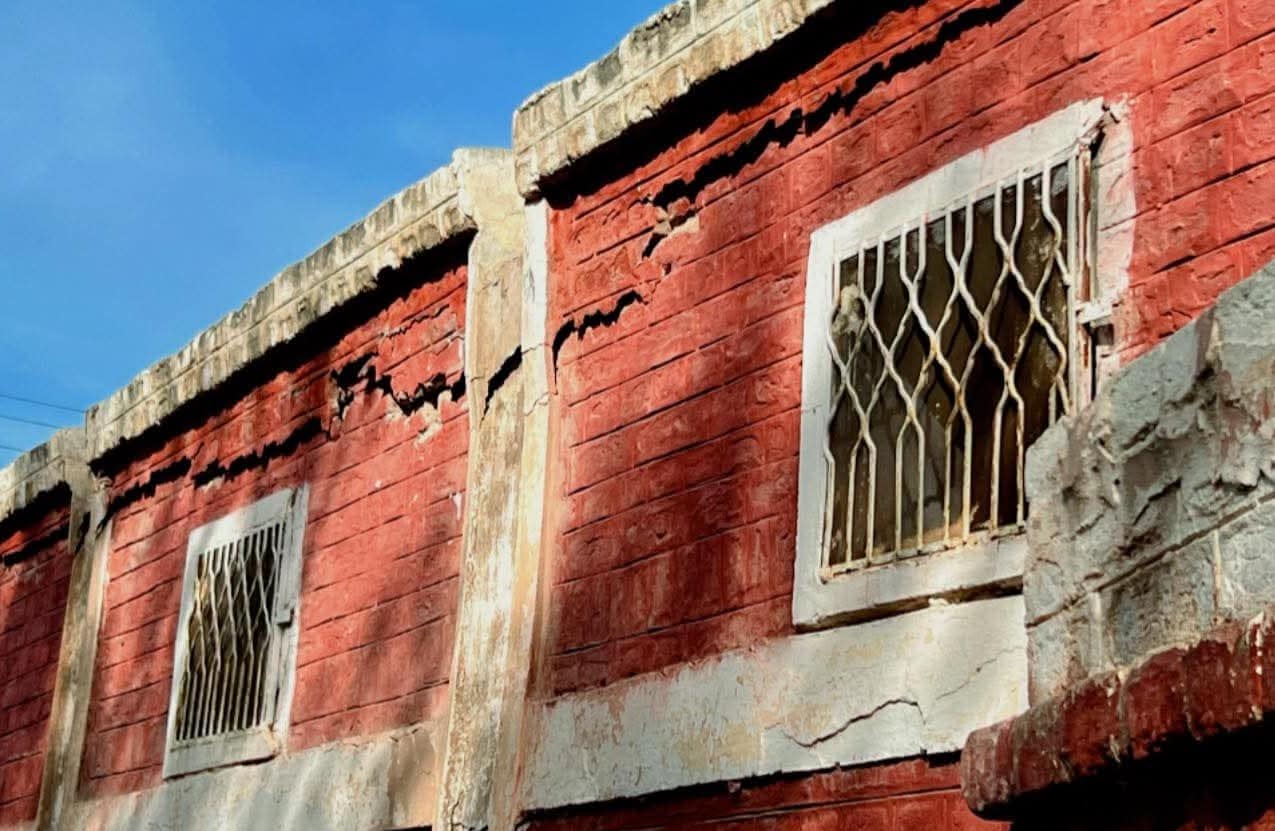
In Abbottabad, 245 government schools, including 130 girls’ schools and 115 boys’ schools, require rehabilitation at an estimated cost of Rs1.098 billion.
Battagram has 59 schools in dilapidated condition, including 56 boys’ schools and three girls’ schools. An estimated Rs130 million is required for work involving 53 classrooms, 29 group latrines and one examination hall.
In Buner, 71 government schools require rehabilitation, comprising 47 boys’ schools and 24 girls’ schools. The required work covers 285 classrooms and 75 group latrines and is estimated to cost Rs386 million.
Charsadda has 174 schools requiring rehabilitation at an estimated cost of Rs874.7 million. The survey identified 430 classrooms and 23 group latrines in need of repairs or reconstruction.
In Lower Dir, 271 government schools have been declared dilapidated. Rehabilitation of 689 classrooms, 128 washrooms and one examination hall is estimated to cost Rs1.48 billion.
Upper Dir has 161 schools requiring rehabilitation, including 71 girls’ schools and 90 boys’ schools. The work involves 249 classrooms and 52 washrooms at an estimated cost of Rs368 million.
In Hangu, 116 government schools have been identified as dilapidated, including 92 boys’ schools and 24 girls’ schools. The rehabilitation of 468 classrooms, 10 washrooms and two examination halls is estimated to cost Rs438 million.
Haripur has 332 government schools requiring rehabilitation, comprising 130 girls’ schools and 202 boys’ schools. The work covers 811 classrooms, 336 washrooms and five examination halls, with an estimated cost of Rs1 billion.
Karak has 132 dilapidated schools, where 327 classrooms and 83 washrooms require rehabilitation at a cost of Rs727 million.
In Kohat, 168 government schools have been identified as requiring rehabilitation. The work includes 522 classrooms and 24 washrooms, with the estimated cost reported at Rs1.79 billion.
Malakand has 162 schools in need of rehabilitation, with 368 classrooms and 80 washrooms requiring attention at an estimated cost of Rs690 million.
In Mardan, 350 school buildings have been declared dilapidated, with 728 classrooms and 272 washrooms requiring rehabilitation at an estimated cost of Rs1 billion.
Swat has 488 government schools in poor condition. The reported rehabilitation requirements include 518 classrooms, 301 washrooms and five examination halls, with the estimated cost placed at approximately Rs1.09 billion.
The survey also identified 454 schools requiring rehabilitation in Peshawar, 202 in Nowshera, 174 in Mansehra, 160 in Swabi, 110 in Lower Kohistan, 47 in Kolai-Palas, 38 each in Upper Chitral and Upper Kohistan, 35 in Lower Chitral, 33 in Shangla and 30 in Torghar.
These figures indicate that the infrastructure challenge extends across the province, affecting both urban centers and remote districts. The required work involves not only classrooms but also sanitation facilities and examination halls, all of which are essential for maintaining a safe and functional learning environment.
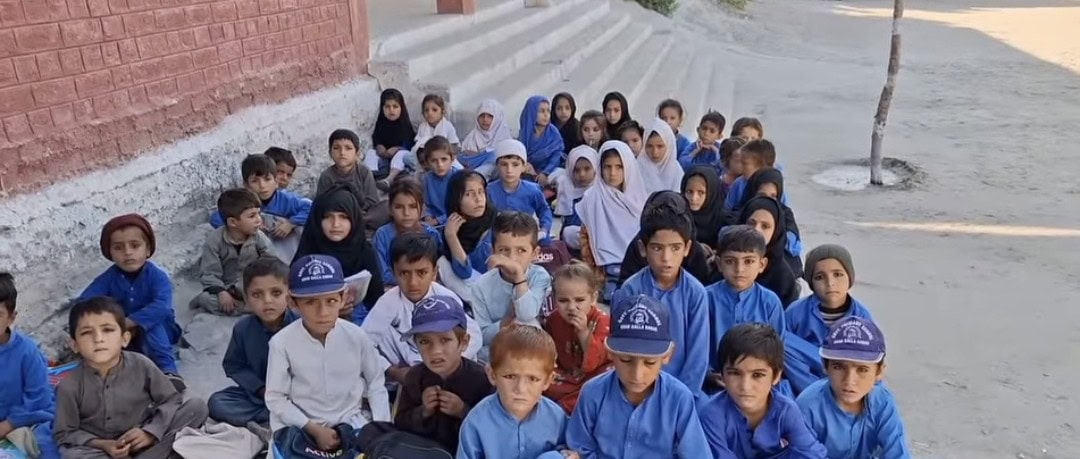
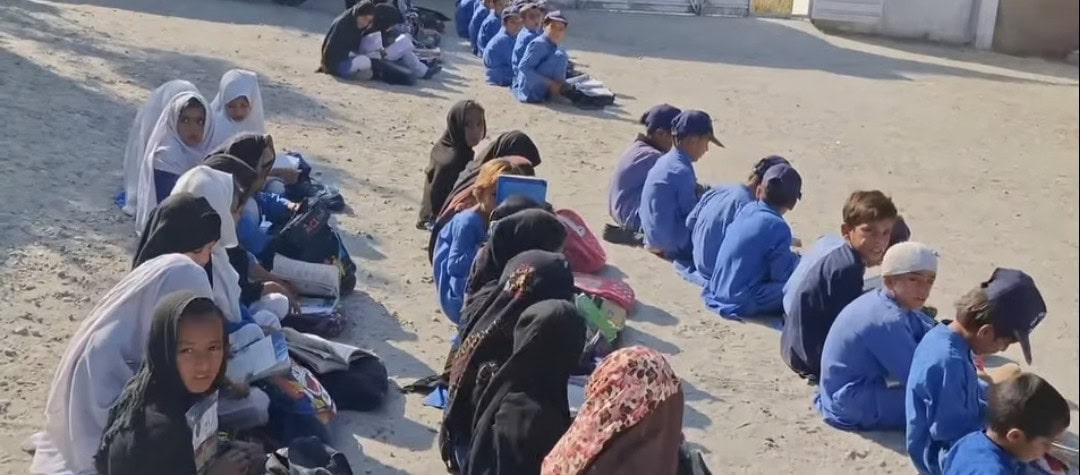
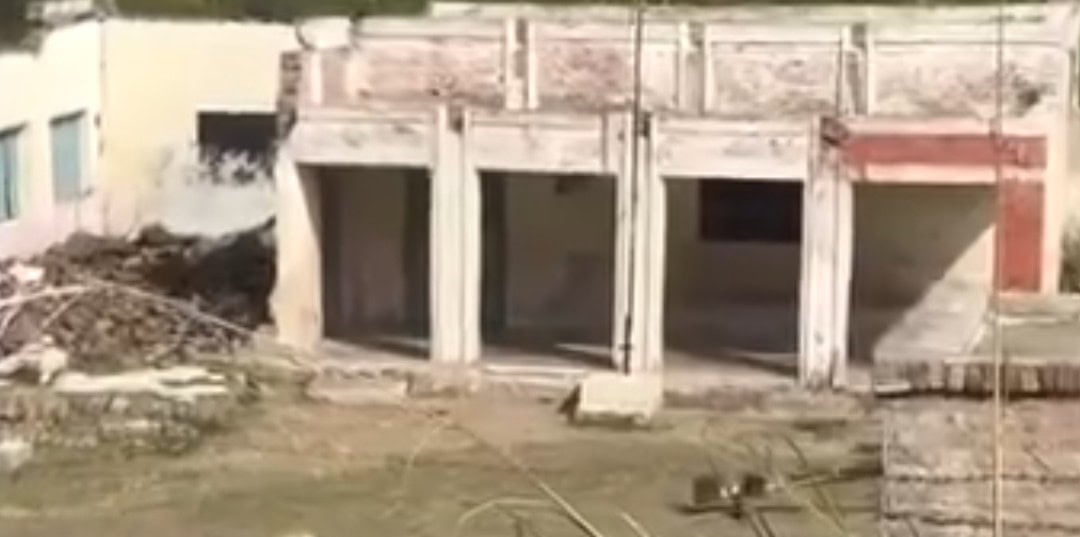
According to available information, the Education Department has sealed numerous classrooms in schools across the province, particularly in primary schools, after concerns were raised about weak and potentially unsafe structures. As a result, students in some affected schools have been forced to continue their lessons in the open, exposing them to weather conditions and creating further difficulties in an already challenging learning environment.
Private School Buildings Also Under Inspection
The government’s inspection drive also covers private educational institutions, following concerns about the structural safety of school buildings.
According to sources, some 6,000 of the 11587 private schools registered with the Private Schools Regulatory Authority (PPRA) had been inspected so far.
The inspections are intended to assess the structural condition of school buildings and identify those requiring repairs or other corrective measures. Several private schools with reportedly weak or unsafe structures have been sealed in different parts of the province, disrupting classes and forcing students to seek alternative arrangements.
While ensuring students’ safety remains essential, the closure of schools also creates an immediate challenge for families, particularly where nearby alternatives are unavailable or unable to accommodate additional students. The authorities will therefore need to ensure that structural assessments are followed by timely corrective action and clear arrangements for affected students.
The survey of public and private institutions has brought the issue of school safety into sharper focus. However, the real test will be how quickly the identified problems are addressed and whether the necessary funds can be mobilized to make school buildings safe for students and teachers.
The situation has renewed calls for stronger measures to address the province’s educational challenges, particularly in the merged districts, where longstanding development needs continue to affect the delivery of public services.
Following the merger of the former tribal areas with Khyber Pakhtunkhwa in 2018, improving education, healthcare and other basic services became an important part of the region’s development agenda. An independent Area Development Secretariat was also established to oversee development initiatives in the designated districts including the eight tribal districts.
According to Samar Bilour, the advisor on Information to the Governor, the Prime Minister announced a Rs160 billion development package during a visit to the provincial capital following the imposition of Governor’s rule in KP and the declaration of an emergency in designated districts. More than 70 percent of the reported allocation is expected to be spent in the designated districts, primarily on developmental works and efforts to curb terrorism.
The allocation has been presented as part of efforts to address the development needs of the merged districts. However, its precise scope, the distribution of funds and the amount earmarked for education require confirmation from official sources.
Against this backdrop, the figures on non-functional schools and dilapidated buildings highlight the need to ensure that development spending translates into tangible improvements in educational facilities.
The immediate priorities include restoring non-functional schools, recruiting and deploying teachers where vacancies prevent schools from operating, rehabilitating unsafe buildings, resolving disputes affecting school operations and protecting public facilities from encroachment. Equally important is transparent monitoring to ensure that approved funds are spent efficiently and that projects are completed on time.
For children in remote and underserved communities, these challenges have direct consequences. A school without teachers cannot provide lessons, while a building declared unsafe cannot accommodate students until the necessary work is completed. Where alternative schools are far away, children may face prolonged interruptions to their education.
The challenge confronting the provincial government is therefore twofold: making existing schools functional and ensuring that the buildings in which children study are safe and fit for purpose.
With 627 government schools reportedly non-functional and 4,049 buildings requiring rehabilitation or reconstruction at an estimated cost of Rs16.24 billion, the scale of the task is considerable. Addressing it will require sustained funding, effective planning, coordination among departments and close monitoring of implementation.
For thousands of children across Khyber Pakhtunkhwa, particularly those in remote and underserved areas, the outcome will determine whether they can attend a functioning school, study in a safe classroom and continue their education without avoidable disruption.