
Pakistan’s diplomatic engagement in the Middle East, particularly under the leadership of Field Marshal Syed Asim Munir, Chief of Army Staff and Chief of Defence Forces (CDF), represents an important initiative towards regional peace and stability. His efforts to bring together four influential Muslim countries; Pakistan, Iran, Saudi Arabia and Türkiye reflect a significant attempt to promote regional cooperation, reduce tensions and develop an indigenous security framework for the Middle East. On October 26, 2026, a high-level meeting of representatives from Pakistan, Iran, Saudi Arabia and Türkiye was held in Tehran. Its primary objective was to reduce the possibility of a wider military confrontation between Iran and the United States and to promote collective approaches to regional security. An important aspect of the discussions was to bring Iran closer to the three countries associated with the Makkah Joint Defence Agreement: Pakistan, Saudi Arabia and Türkiye. Iran was reassured that the arrangement was not directed against it and that its framework could potentially accommodate additional regional partners. This understanding was particularly significant in advancing the concept of inclusive Muslim cooperation rather than exclusive military alignment.
The meeting assumed greater importance against the backdrop of regional tensions, including attacks by Houthi against Saudi Arabia. The Saudi delegation was led by Defence Minister Prince Khalid bin Salman, while Türkiye was represented by intelligence chief Ibrahim Kalin. The delegations also held discussions with senior Iranian leadership, including President Masoud Pezeshkian and Mohsen Rezaei. Although the precise outcomes have yet to be fully established through official announcements, the meeting demonstrated a willingness among four major Muslim countries to explore collective solutions to regional security challenges.Field Marshal Asim Munir deserves recognition for facilitating this important diplomatic engagement. His repeated visits to Tehran and sustained interaction with Iranian leadership helped build confidence and encourage dialogue. Bringing Iran into closer consultation with Pakistan, Saudi Arabia and Türkiye was not an easy undertaking, considering historical mistrust, competing strategic interests and regional rivalries. Nevertheless, Pakistan’s initiative reflects an understanding that lasting regional peace cannot be achieved by excluding any major regional stakeholder.
The question of Houthi attacks against Saudi Arabia also requires careful consideration. Their timing, particularly amid heightened US-Israeli military confrontation with Iran and developments surrounding the Makkah defence arrangement, has raised concerns about the possibility of external actors exploiting divisions among Muslim countries. Indeed, the regional instability and intra-Muslim divisions serve the interests of those opposed to greater cooperation among Muslim states. Consequently, the emerging diplomatic initiative should prioritize confidence-building and prevent regional disputes from undermining collective security.Besides this diplomatic breakthrough, Pakistan has undertaken considerable efforts to reduce tensions between Iran and the United States. FM Asim Munir’s engagements with Tehran, including high-level meetings with the Iranian President, Speaker of Parliament and Foreign Minister, have focused on securing a durable ceasefire, restoring regional stability and establishing a framework for sustained negotiations between Washington and Tehran. Pakistan’s mediation efforts contributed to the Islamabad Talks of April 10–11, 2026.
The underlying conflict reflects deep disagreements over Iran’s nuclear programme, regional influence and national security. Tehran maintains that its nuclear activities are intended for peaceful purposes, including energy generation and scientific developmentunder the monitoring of IAEA. The Strait of Hormuz constitutes another major source of tension. Disagreements over maritime restrictions and the US naval blockade have further complicated efforts to achieve a sustainable settlement.Military pressure and economic coercion have so far failed to eliminate the fundamental differences between the opposing sides. Iran regards the confrontation as a serious challenge to its sovereignty and national security. A prolonged conflict would carry devastating consequences not only for the Middle East but also for international trade, energy markets and global economic stability.
Pakistan’s diplomatic balancing has consequently acquired considerable significance. Islamabad maintains important relations with US, Iran, Saudi Arabia, Türkiye, China and other regional actors. Rather than becoming part of competing geopolitical blocs, Pakistan has sought to use these relationships to facilitate communication and reduce confrontation. This approach demonstrates the growing importance of military diplomacy, particularly when conventional diplomatic channels face political and strategic obstacles.The Tehran meeting should be viewed as part of a broader Pakistani effort to promote an inclusive regional security architecture. FM Munir’s contribution lies particularly in facilitating engagement between countries whose strategic differences have historically complicated regional cooperation. The initiative could create opportunities for confidence-building, coordinated security arrangements and the peaceful management of regional disputes.
Indeed, peace in the Middle East cannot be imposed through foreign military involvement or achieved by excluding influential regional powers. It requires collective ownership, mutual understanding and sustained diplomatic engagement. The diplomatic initiative by FM Asim Munir, has demonstrated a constructive role. If the Tehran initiative develops into a sustained regional dialogue, it may become an important step towards Muslim solidarity, strategic stability and lasting peace in the Middle East.
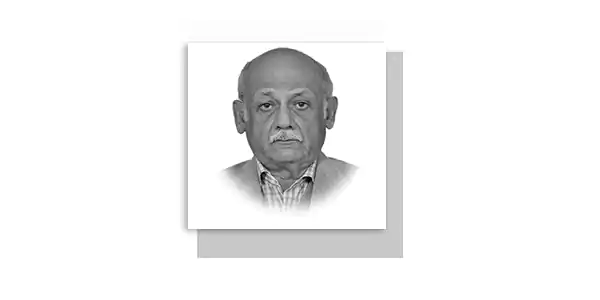
The writer is Professor of Politics and IR at International Islamic University, Islamabad.