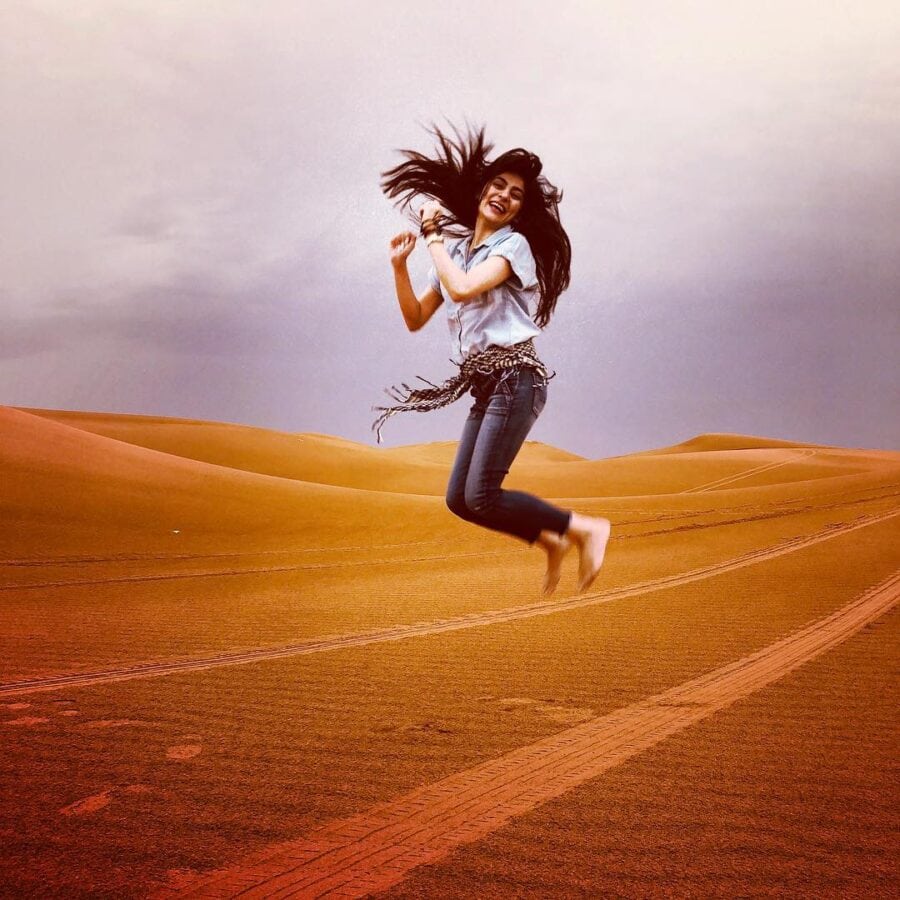
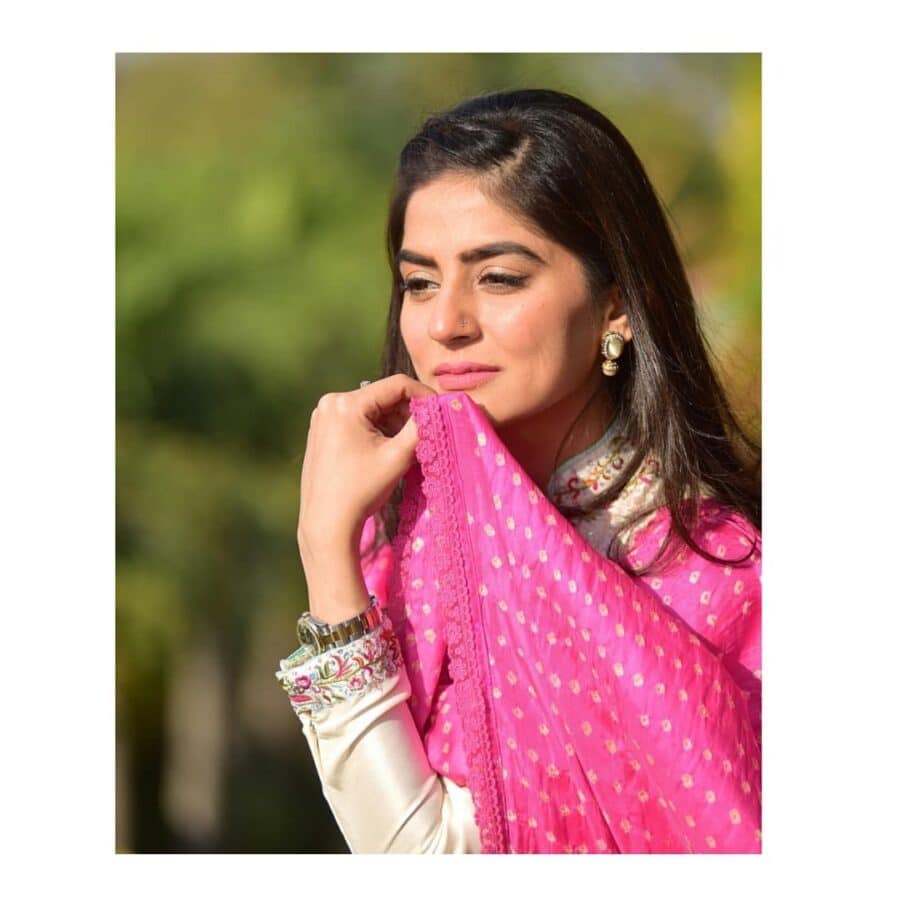
There are some actors whose appearance on screen brings back an entire era of television, along with the stories, emotions and characters that stayed with us long after the final episode. Sanam Baloch is one of them. Her recent appearances on social media took me back to the years when she delivered some of her most memorable performances, bringing to life stories that reflected our society, challenged its conventions and revisited chapters of our history. I particularly remember her as Bano in Dastaan, a role that demanded emotional depth and extraordinary sensitivity. Through Bano, Sanam became part of a story that explored Partition, displacement, loss and the human cost of historical upheaval. It was a performance that went beyond entertainment, reminding audiences how personal stories can make history feel painfully immediate. Over the years, Sanam has moved between intense social dramas, romance, comedy and historical storytelling, building a body of work that continues to inspire affection among viewers. Yet, despite her considerable contribution to Pakistani television, she has remained largely away from acting since Khaas in 2019, leaving fans wondering whether another memorable performance might be on the horizon.
The Characters That Defined Her Career
Sanam’s journey into acting was not necessarily the carefully mapped-out career one might expect. In a published interview with Social Diary, she admitted that acting had never been her original ambition.
Acting is something that just happened to me. I never wanted to be an actor, she said, describing how her first play, Kaalak, eventually opened the door to a career she had not planned. Her subsequent choices, however, demonstrated an instinct for stories with substance. Dastaan remains among her most significant works, while Durr-e-Shehwar explored the emotional complexities of marriage, generational differences and the compromises women make over a lifetime. In Kankar, she was part of a story that confronted domestic abuse and the difficult decisions surrounding marriage. Meanwhile, Daam and Kuch Pyar Ka Pagalpan Bhi Tha showcased different shades of her screen presence, from friendship and romance to emotional conflict. When asked about the genres she enjoyed, Sanam offered an answer that revealed her preference for versatility rather than a single defining category. Everything I can relate too, she explained, adding that comedy has always been something she looks forward to doing.
It is this willingness to explore different emotional registers that makes her filmography interesting. Her performance as Marium Mukhtiar in the telefilm Aik Thi Marium also demonstrated her interest in stories inspired by real lives. By portraying the Pakistan Air Force pilot who became a national hero, Sanam contributed to bringing a remarkable woman’s story to a wider audience. Speaking about the roles that excited her most, she singled out Bano, Kiran and Marium Mukhtiar, explaining that she was drawn to characters with depth and journeys capable of making a difference.
Such choices offer a glimpse into the kind of performer she aspired to be: one who could entertain while also giving audiences something meaningful to reflect on.
Beyond the Screen: Ambitions, Privacy and the Possibility of a Return
Sanam’s professional life has extended beyond acting. Her popularity as a morning show host introduced audiences to a more spontaneous, conversational side of her personality, establishing a connection that went beyond scripted performances. Yet acting, she explained in the same interview, remained her passion, while hosting was her work. The distinction is telling. Hosting requires immediacy and a constant engagement with audiences, while acting allows a performer to inhabit another person’s experiences. Sanam managed both, moving between the two formats without losing the warmth that made her a familiar presence in Pakistani homes. She had also expressed an interest in exploring cinema. In her interview, she spoke about working on a film, although she did not disclose details at the time. Whether that ambition remains part of her plans today is unclear, but the prospect of seeing her bring her understated screen presence to a feature film remains appealing. Her more recent life has been considerably more private. While she occasionally shares glimpses of family celebrations and time spent with loved ones, she has largely stepped away from the professional spotlight. That distance has also meant fewer opportunities for audiences to hear her current thoughts on balancing motherhood, personal priorities and the demands of an acting career. For an actor whose performances have invited such emotional investment, public affection can be both rewarding and complicated. Sanam’s relatively low profile has not prevented viewers from discussing her work, revisiting old dramas and expressing hopes for her return. Her appearance at a theatre performance in 2025, for instance, prompted renewed speculation about whether she might return to television. Her last widely reported drama appearance remains Khaas, in which she starred opposite Ali Rehman Khan. The serial explored emotional abuse and the power dynamics within marriage, providing another example of her willingness to participate in socially relevant storytelling. Although there is no confirmed new acting project to assess, the continued interest in her past performances suggests that her audience has not forgotten her. Perhaps that is the most telling part of Sanam Baloch’s career. Not every actor needs to remain constantly visible to retain a place in popular memory. Sometimes, the characters themselves do the work, returning to viewers through reruns, conversations and the occasional glimpse of the person who brought them to life. For now, the possibility of a new chapter remains just that: a possibility. But if Sanam does decide to return, there is no shortage of stories waiting for an actor who has already shown how powerfully she can bring them to the screen.