A subtle but significant shift is underway in regional diplomacy. The lifting of logistical constraints in the capital, coupled with the continued shuttle engagements of Iranian Foreign Mi-nister Abbas Araghchi, points not to a breakthrough but to a transition into a more structured and cautious phase of engagement. Ceasefire conditions continue to hold. Statements attributed to Donald Trump signal openness to dialogue. Iranian international flights have resumed and logistical links between Pakistan and Iran are active once again. Taken together, these developments suggest that diplomacy has not stalled—it has simply changed form. The process now appears indirect, discreet and strategically paced.
It may, in time, resemble a prolonged ceasefire similar in structure, though not in context, to the arrangement following the Korean Armistice Agreement, which has endured for over seven decades. Publicly, differences remain visible. Political signaling, divergent narratives and domestic pressures continue to shape the discourse. Yet beneath this surface, communication channels appear intact. In diplomacy, what is unseen often carries as much weight as what is declared. Internal pressures—particularly within Iran, where political and ideological diversity is pronounced—appear to be encouraging a more indirect and discreet approach to engagement, one that aligns with Pakistan’s facilitative style of diplomacy.
The absence of a visible US negotiating presence has drawn attention, but it reflects recalibration rather than retreat. Indirect channels remain operational, suggesting that this phase is less about formal talks and more about positioning, signaling and controlled engagement be-hind the scenes. Iran’s apparent preference for indirect diplomacy through Pakistan reinforces Islamabad’s role as a quiet intermediary. Pakistan’s facilitation of sensitive logistics and secure movement reflects a level of trust that points to deeper strategic coordination. Its role appears to have evolved from active mediation toward sustaining a stable diplomatic environment—ensuring continuity rather than forcing immediate resolution.
At the same time, Iran’s outreach to regional states, including Saudi Arabia, Qatar, Oman, Egypt, Turkiye and Kuwait, suggests an effort to reassure neighbours that its tensions are not directed at them, but rather at specific strategic concerns. There are also emerging indications that regional actors may begin reassessing long-standing security alignments, although such shifts remain gradual and uncertain. What may appear as a deadlock is, in effect, a managed pause. The most immediate outcome has been the continuation of ceasefire conditions and the avoidance of escalation, an outcome of tangible importance. This pause also provides political space for key actors, including Donald Trump, to recalibrate broader strategic priorities.
This evolving arrangement resembles an implicit “agreement on disagreement,” where core issues remain unresolved but active conflict is contained through restraint and backchannel communication. It is not a formal settlement, but a stabilization mechanism. The trajectory suggests the emergence of an unconventional and potentially prolonged equilibrium, comparable in structure to the post-conflict environment following the Korean Armistice Agreement. Such arrangements endure not through resolution, but through the high cost of renewed confrontation. Within this framework, Iran’s leverage has also evolved. The Strait of Hormuz has reasserted itself as a central axis of geopolitical influence—transforming from geography into a strategic instrument. However, this expanded leverage is offset by economic and institutional strain, resulting in a fragile balance rather than outright advantage.
Pakistan’s position in this phase is understated but significant. Its role is not to resolve disputes, but to sustain communication, prevent miscalculation and enable continuity. This form of low-visibility, high-trust diplomacy is often decisive when formal negotiations stall. Its contribution to maintaining ceasefire conditions and preventing escalation remains noteworthy.
Islamabad itself mirrors this dynamic, operationally active yet publicly restrained. Limited disclosure surrounding engagements reflects sensitivity rather than inactivity. While immediate stabilization has been achieved, the transition toward a long-term framework remains uncertain. Diplomatic signalling continues, but substantive progress toward a structured agreement is limited. The region now stands in a conditionally stable pause, neither in active conflict nor at formal peace. The process has entered a slower, time-dependent phase where outcomes will depend less on momentum and more on sustained strategic patience.
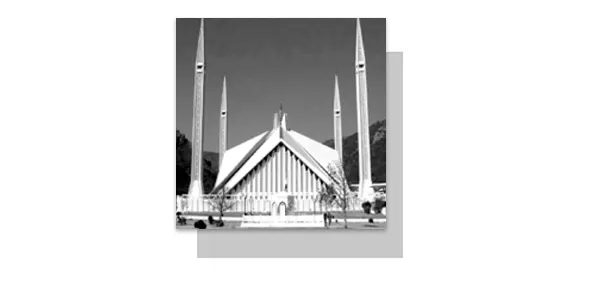
In conclusion, I would greatly appreciate the residents of Islamabad, especially the business community, who have endured logistical, economic and mobility-related hardships with re-markable patience and composure. Their quiet resilience, especially those residing along the upper stretch of Faisal Avenue, reflects not only civic responsibility but also an inner sense of satisfaction in contributing to a broader national cause. Such collective maturity and under-standing remain an often-unacknowledged strength in moments of strategic importance.
—The writer, based in Islamabad, is a contributing columnist.