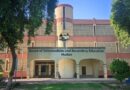
KOHAT, September 22, 2026 : Approximately 869 kilograms of explosive material was used in the September 18 terrorist attack on the old Police Lines in Kohat, according to a detailed Bomb Disposal Unit (BDU) report, while additional unexploded explosives, improvised explosive devices (IEDs) and a suicide vest were recovered from the Special Branch building during a clearance operation that lasted nearly 20 hours.
The attack claimed the lives of 25 people, including 17 police personnel and eight civilians, while more than 100 others were injured.
The civilian death toll reached eight after Haji Rab Nawaz, owner of Orakzai Medical Centre, succumbed to his injuries. A poor fruit vendor, Samiullah, was also among those killed in the attack, according to the information provided by local sources.
Informed sources said the BDU report had been submitted to the Central Police Office and contained details of the explosive material used, the impact of the blast and the explosives and other material recovered during the subsequent clearance operation.
According to the report, the main explosion created a crater measuring approximately 6.6 x 11 feet and 4.6 feet in depth. The BDU determined that a highly powerful explosive substance had been used in the attack.
The attack began with a powerful explosion involving a vehicle loaded with explosives. Following the blast, armed attackers entered the old Police Lines compound and reportedly moved towards the Special Branch block, where they established a fortified position.
Police, the Counter-Terrorism Department (CTD) and security forces subsequently launched a joint operation to clear the premises and eliminate the attackers.
The BDU report stated that additional unexploded explosive material was recovered from inside the Special Branch building during the clearance operation.
Two IEDs were recovered from the ground floor, while a suicide vest containing four IEDs was recovered from the first floor, according to the report.
The recovery of the additional devices indicated that the attackers had carried further explosive material into the Police Lines compound.
After nearly 20 hours of fighting and clearance operations, all eight attackers were killed and the premises were cleared and declared secure.
Sources said investigators had made an initial identification of the vehicle allegedly used in the attack.
A video recorded before the incident reportedly showed a black vehicle approaching from the Hangu side, turning towards Peshawar Chowk and subsequently returning towards the old Police Lines.
According to the available footage, the vehicle stopped near the outer wall of the mosque before the explosion occurred.
Investigators are examining the vehicle, explosive material and other evidence recovered from the scene as part of the ongoing forensic investigation to trace the facilitators and planners behind the attack.
The scale of the attack, the entry of armed attackers into a sensitive police installation and the prolonged clearance operation have raised questions concerning intelligence assessment, security arrangements and the initial response of CTD and Elite Force personnel already present at the Police Lines.
Informed sources said no specific threat alert concerning an attack on the Police Lines had been issued before the incident. However, this claim could not be independently verified.
Sources said the attackers had allegedly chosen the time of Friday prayers and appeared to have planned their entry into the Police Lines with the mosque as a target.
The Additional Inspector General of CTD arrived in Kohat from Peshawar along with a team to reinforce the operation. Pakistan Army personnel also joined the police and CTD in the joint clearance operation.
After approximately 20 hours of fighting and clearance operations, all eight attackers were killed and the Police Lines compound was secured.
Meanwhile, forensic examination of the vehicle, explosives and other evidence is continuing as investigators seek to establish the wider network behind the attack and identify its facilitators and planners.
The findings of a detailed investigation could help identify operational gaps and determine measures to strengthen security, intelligence coordination and rapid-response mechanisms at sensitive police installations in the future.