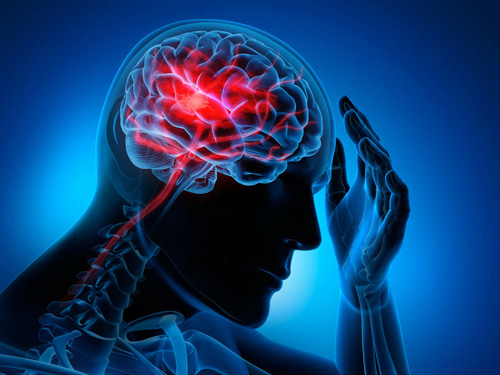
A new report of Covid-19 patients referred to a neurological hospital in the United Kingdom describes complications including delirium, brain inflammation, and stroke.
Viral infections can impact the brain, even if the virus has not directly infected brain tissue. For example, inflammation of the brain, or encephalitis, most often results from a viral infection.
These infections usually cause mild, flu-like symptoms, but when they affect the brain, the issues can be severe.
Previously, some researchers have observed a link between infections with SARS-CoV and MERS-CoV — the coronaviruses that cause SARS and MERS, respectively — and signs of damage within the central nervous system.
The new coronavirus has also been associated with neurological symptoms. However, our understanding of the neurological consequences of Covid-19 remains in its early stages.
A recent report, led by experts from the Institute of Neurology at University College London, describes cases of delirium, brain inflammation, stroke, and nerve damage associated with COVID-19.
The study describes the experiences of 43 people with suspected or confirmed COVID-19 who were referred to the National Hospital for Neurology and Neurosurgery, in the U.K. The group had a wide age range of 16–85 years.
The report details 10 cases of temporary brain dysfunction, or encephalopathies, with delirium. These patients were mostly over 50 and presented with confusion and disorientation, with one patient experiencing psychosis.
A further 12 patients experienced inflammation of the brain. The majority of these people experienced a rare disorder called acute demyelinating encephalomyelitis (ADEM), which is triggered by viral infections and leads to damage of the myelin sheaths around nerves.
The researchers note that ADEM is more common in children and that they typically see around one adult with the condition per month. During the period that the study was concerned with, this rate increased to one case per week. This is concerning, as ADEM can progress to multiple sclerosis.
The team also found reports of nerve damage. Specifically, there were seven reports of Guillain-Barré syndrome, a rare neurological disorder in which a person’s immune system attacks healthy nerve networks. This syndrome is often associated with a prior infection and also involves damage to myelin.
What are the neurological complications of Covid-19?

Related Posts



Health"}],"exclude_current_post":true,"useQueryEditor":true,"user_id":24,"time":1764018053,"signature":"c8aa3842b9354b8f1c1502eef5af9de6","post_type":"post","post__not_in":[92474],"tax_query":[{"taxonomy":"category","field":"term_id","terms":[27]}],"paged":1}" data-page="1" data-max-pages="417" data-start="1" data-end="4">