



ISLAMABAD – A consortium of United States-based companies is seeking to invest up to $4.4 billion in a major liquefied natural gas (LNG) infrastructure project in Pakistan, with support from the Trump administration, aiming to establish an integrated import, storage, regasification, transmission and trading network.
The proposed venture, involving Global Vision Energy Partners (GVEP) and Khanjee Holdings, along with international strategic partners and Luxembourg-based General Mediterranean Holding, is designed to operate as a commercial LNG infrastructure platform rather than relying on a single government-backed gas purchase agreement.
The development follows the withdrawal of Energas, a consortium involving the Lucky Group and QatarEnergy, from a similar undertaking. The earlier project was shelved amid changes in Pakistan’s energy requirements and policy framework, as well as unresolved regulatory and taxation issues.
The US-backed sponsors have reportedly obtained consent from the Port Qasim Authority for the proposed site and submitted an application to the Oil and Gas Regulatory Authority (OGRA) for a provisional licence.
A special purpose vehicle (SPV) has also been established to oversee the project’s development, ownership and operations. Government support and facilitation have reportedly been communicated through the Ministry of Maritime Affairs and the Petroleum Division of the Ministry of Energy.
The project has been selected for consideration under the US Trade and Development Agency’s project preparation programme. Its financing could also involve the US Development Finance Corporation, while the US Export-Import Bank may provide export credit guarantees for the supply of equipment, technology and services.
Pakistan currently lacks dedicated LNG storage infrastructure, making its regasified gas supplies heavily dependent on imported cargoes, international supply chains and fluctuations in global energy markets.
The investment plan will be implemented in two stages. The first phase, estimated to cost $1.7 billion, involves developing an LNG import terminal and storage complex featuring four tanks, with an annual handling capacity of approximately 35 billion cubic feet (BCF).
The second phase envisages a 1,100-kilometre pipeline, measuring 42 to 48 inches in diameter, to transport gas to northern parts of the country. With a daily transportation capacity of around 1.2 billion cubic feet, this component will take the overall investment to approximately $4.4 billion.
The sponsors intend to develop Port Qasim into a regional LNG storage, regasification and trading centre serving Pakistan as well as international suppliers from the United States and the Middle East. Its established maritime infrastructure and location outside the Strait of Hormuz have been identified as important advantages.
The consortium is also approaching Pakistani investors to secure up to 10 per cent equity participation, with proposed individual investments starting at $50 million.
Potential international investment partners include Grey Rock Investment Partners, Kohlberg Kravis Roberts & Co, Blackstone, Saudi Arabia’s Public Investment Fund and the Kuwait Investment Authority. However, their participation has not been finalised and remains dependent on due diligence, regulatory and investment approvals, and formal agreements.
The proposed ownership arrangement allocates 26 per cent to GVEP, 24 per cent to General Mediterranean Holding, and 20 per cent each to Khanjee Holdings and strategic co-investors. Pakistani investors would collectively hold the remaining 10 per cent during the first phase.
The financing plan envisages a 70:30 debt-to-equity structure. For the initial $1.7 billion investment, the equity requirement is estimated at $510 million, while the remaining amount would be arranged through debt financing. The final project valuation will be determined after engineering, procurement and construction contracts and other supply agreements are concluded.
Under the commercial framework, the facility would generate revenue through LNG storage, regasification, transmission, tolling and transshipment services. Long-term storage and tolling arrangements, alongside take-or-pay commitments where required, would provide a revenue base, while additional capacity would be available for market-based trading.
The proposed regasification and storage tariff stands at $4.93 per million British thermal units (mmBtu), while gas transportation charges are estimated at $1.91 per mmBtu for the first decade. The respective rates are projected to fall to $2.20 and $0.92 per mmBtu thereafter.
OGRA approval will be required for tariffs applicable to domestic regasification services, whereas other commercial operations, including storage, tolling and transshipment, will follow market-based pricing.
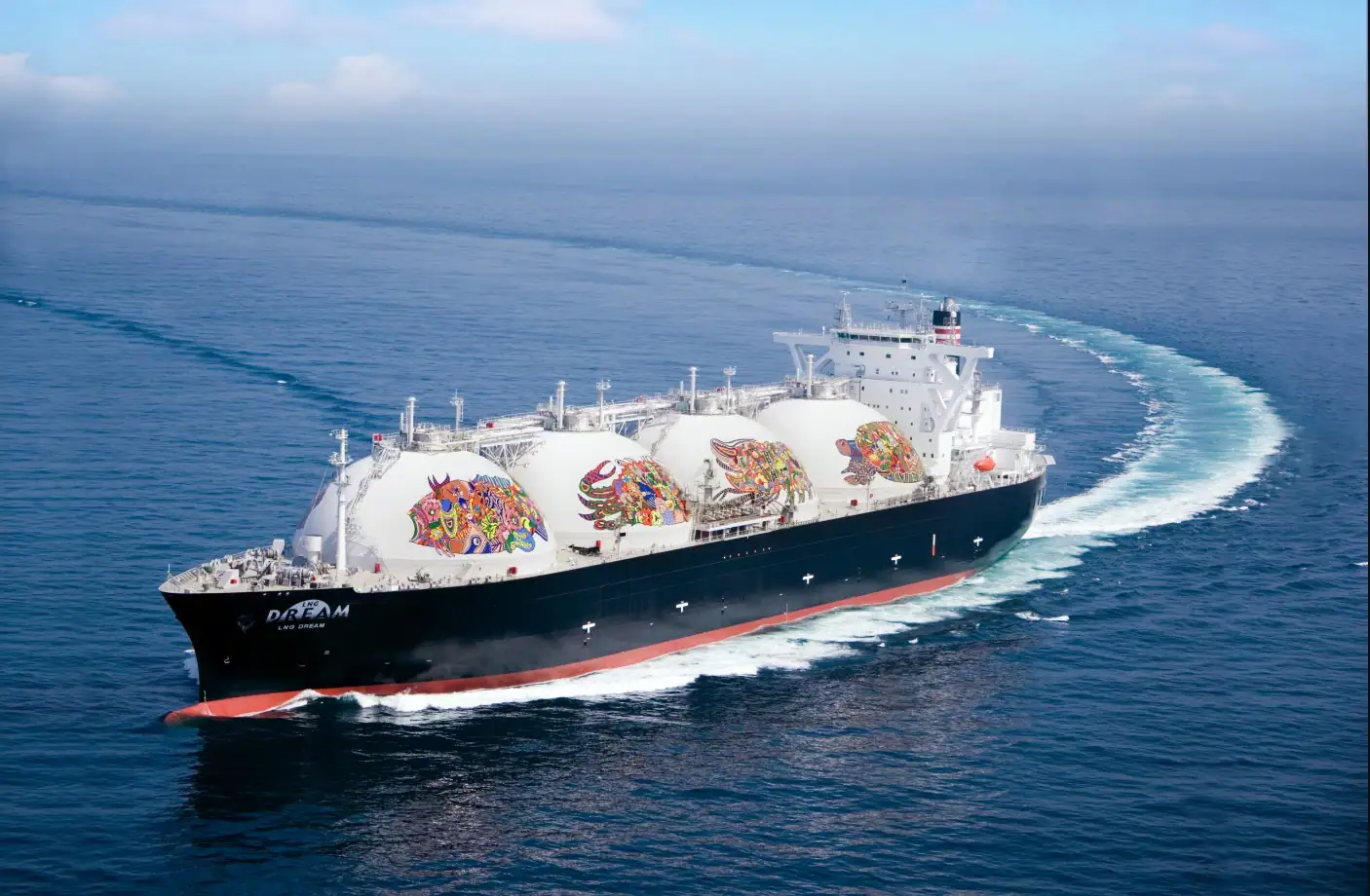
The terminal will comprise four LNG storage tanks, each with a capacity of 140,000 cubic metres, providing a combined storage volume of 560,000 cubic metres.
With an estimated three inventory turnover cycles annually, the facility is projected to process around 35.6 billion cubic feet of LNG each year, with approximately 11.9 billion cubic feet accommodated during each storage cycle.


