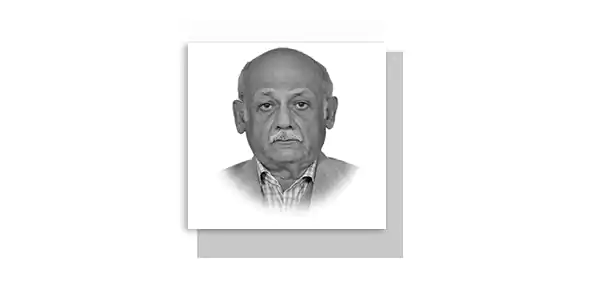
Fuad Pashaye
As we celebrate International Day of Education, Pakistan stands at a unique demographic crossroads. With approximately 64% of the population under the age of 30, representing over 140 million young people, the theme of this year, “The Power of Youth in Co-Creating Education”, is not just a slogan; it is a national imperative. For too long, education has been viewed as something delivered to young people. It is time we recognize them as the primary architects and co-creators of the learning systems they inhabit.
The challenges facing Pakistan’s education sector are well-documented and urgent. Despite our constitutional commitment under Article 25-A to provide free and compulsory education, approximately 26 million children remain out of school. This crisis is compounded by a 77% learning poverty rate among 10-year-olds and a widening gender gap, where 55% of those excluded from classrooms are girls. Furthermore, the climate-related disasters that have plagued our provinces have proven that our infrastructure is fragile.
However, in my travels across Pakistan, I see a different story, one of youth who are not waiting for permission to lead. From the valleys of Gilgit-Baltistan to the plains of Tharparkar, young Pakistanis are demanding an education that is relevant to their lives, their culture and their climate-impacted reality. At UNESCO, we are shifting our approach to meet this demand. We are moving away from top-down models toward “co-creation”.
This is best exemplified in our “Promotion of Learning Through Radio in Isolated Areas” project, funded by the Italian Ministry of Foreign Affairs and International Cooperation through the Italian Agency for Development Cooperation (AICS). This initiative utilizes Interactive Radio Instruction (IRI) to reach 75,000 community members, including youth and children(aged 5-14 years), in 6 of the most marginalized districts, including Swat, Mohmand, and Kohistan. What makes this project special is that the content, ranging from Global Citizenship Education to climate resilience, is designed to spark dialogue among youth listeners, turning a one-way broadcast into a community learning hub.
UNESCO is also advancing digital education as a powerful enabler of inclusive, equitable and quality learning – while emphasizing that technology must serve pedagogy, not replace it. Through global guidance such as the Recommendation on the Ethics of Artificial Intelligence and its work on ICT in education, UNESCO supports the government’s efforts to strengthen digital learning systems, improve teacher capacity, and expand safe and accessible connectivity for all learners, especially youth. At the same time, UNESCO advocates for responsible, human-centered use of technology that protects children’s rights, promotes digital citizenship, and reduces widening digital divides, especially for girls and learners in marginalized communities.
Co-creation also means ensuring that education respects the identity of the learner. In our work with the indigenous communities of the Kalasha and Thari, we have seen the transformative power of involving youth in safeguarding their Intangible Cultural Heritage (ICH). By collaborating with the University of Chitral to develop interdisciplinary courses co-taught by local tradition bearers, we are proving that modern education and ancestral wisdom are not mutually exclusive. When youth help design curricula that reflect their own heritage, their engagement and retention rates soar.
To truly harness the power of youth, we must address the “external shocks” that threaten their progress. Poverty, gender barriers and climate change are not just social issues; they are educational barriers. We must increase our national education spending toward the international benchmark of 4% of GDP and ensure these funds reach the grassroots level.
On this International Day of Education, my message to the youth of Pakistan is this: You are not just the leaders of tomorrow; you are the partners of today. Your voices, your cultural insights, and your digital fluency are the keys to unlocking the classroom doors for the 26 million children currently left behind. UNESCO remains a steadfast partner to the Government of Pakistan and its people. Together, let us stop building schools for the youth and start building an education system with them. The future of Pakistan is not just being written in policy documents in Islamabad; it is being co-created by every young girl picking up a book in Balochistan and every young man tuning into a radio lesson in Khyber Pakhtunkhwa. Let us give them the tools to finish the job.
The writer is UNESCO Representative to Pakistan