


Pakistani television has long placed the daughter-in-law at the emotional center of family storytelling, yet Doctor Bahu is aiming to revisit that familiar terrain with renewed urgency. Starring Kubra Khan opposite Shuja Asad ( a dynamic new pairing), the drama is stepping into the increasingly relevant conversation around women who are celebrated for their achievements until those achievements begin to challenge traditional expectations within marriage.

From the trailers and a few episodes aired so far, the narrative follows a highly accomplished young doctor whose professional success makes her an ideal bride in the eyes of society. Intelligent, compassionate and ambitious, she enters married life believing she has secured both emotional companionship and mutual respect. However, admiration soon evolves into quiet restriction. The very independence that once made her desirable gradually becomes difficult for those around her to accommodate, revealing the subtle pressures placed on working women after marriage.
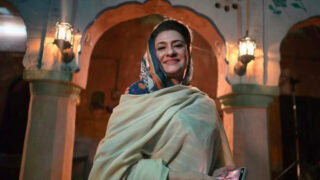

Professional Ambition Meets Domestic Reality
I dont think a better actress than Kubra Khan would have been able to portray a woman negotiating the fragile balance between responsibility and selfhood, bringing emotional restraint rather than overt dramatics to the role. Shuja Asad complements this dynamic with a character shaped by vulnerability and internal conflict, reflecting the insecurities and societal conditioning many men confront when faced with shifting power dynamics inside marriage. Instead of presenting a conventional hero-and-villain framework, the drama appears invested in examining how family structures themselves perpetuate tension.

Directed by Mehreen Jabbar, known for her nuanced and character-driven storytelling, Doctor Bahu leans toward realism, grounding its narrative in everyday conversations and recognizable emotional struggles. Also let’s talk about the talented supporting cast, including Saba Hameed, Muhammad Ahmed, Marina Khan, Shahzad Nawaz, Adeel Hussain and Hajra Yamin, who add a generational depth, suggesting a story shaped as much by collective family expectations as by the central relationship.
Arriving at a time when audiences are increasingly drawn to socially reflective storytelling, Doctor Bahu taps into questions many households q


