WASHINGTON – The prolonged disruption of shipping through the Strait of Hormuz is increasing financial pressure on developing economies by contributing to higher borrowing costs and renewed inflation risks, International Monetary Fund (IMF) Managing Director Kristalina Georgieva has warned.
Speaking on the sidelines of a G20 meeting in North Carolina, IMF Chief Georgieva said the impact of the crisis was extending beyond low-income countries as governments and businesses around the world face higher debt-servicing costs.
She pointed to persistent inflation, elevated debt levels in advanced economies and rising bond yields as factors that could make borrowing more expensive globally.
IMF head Georgieva warned that the combination of high debt and continued inflation could increase debt-service expenses not only for poorer countries but also for emerging markets and developing economies.
Meanwhile, the preliminary shipping data showed that the commercial shipping activity through the Strait of Hormuz remained below its recent average.
Six commodity-carrying vessels passed through the strategic waterway during the day, compared with 11 recorded a day earlier and an average of about 13 vessels over the previous 10 days.
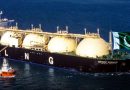
The vessels included two very large gas carriers, two long-range tankers, a Supramax tanker and a Panamax tanker, according to shipping data.
The figures may change as additional vessel movements are recorded. Shipping activity is also difficult to measure precisely because some vessels temporarily deactivate their tracking transponders while navigating the waterway.
The Strait of Hormuz is a major global energy corridor, and prolonged disruption to traffic through the waterway can affect energy prices, inflation, trade costs and the financial outlook for economies that rely heavily on imported fuel.
The latest developments have therefore added to concerns over the ability of heavily indebted developing countries to manage rising financing and debt-servicing costs.