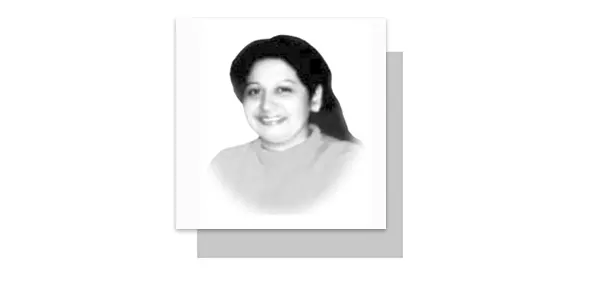
Dr Aisha Irum
PAKISTAN’S federal budget for 2026-27 allocates Rs53.5 billion to the Ministry of National Health Services, with around Rs16 billion earmarked for health projects under the Public Sector Development Programme (PSDP). While any increase in health spending is welcome, the real question is not how much money is being spent, but whether it is being invested where it can produce the greatest health gains.
Pakistan’s health budget remains poorly aligned with the country’s disease burden. According to the Institute for Health Metrics and Evaluation (IHME), nearly 60 percent of Pakistan’s total disease burden is caused by non-communicable diseases (NCDs), including cardiovascular diseases, diabetes, chronic respiratory diseases and cancers. The leading drivers—high blood pressure, air pollution, tobacco use, poor diets and malnutrition—are largely preventable. Yet much of health budget continues to focus on treating disease rather than preventing it.
The latest budget illustrates this imbalance. Significant resources have been allocated to specialised healthcare infrastructure, including funding for cardiovascular research and the expansion of cardiac facilities. These investments are important, but they primarily strengthen treatment capacity after disease has developed. Meanwhile, preventive services such as primary healthcare, nutrition, disease surveillance and health promotion continue to receive comparatively less attention despite offering some of the highest returns on investment.
This matters because poor health is not only a medical issue—it is also an economic one. A large share of Pakistan’s disease burden falls on adults aged 30–69 years, the country’s most productive population. Premature illness reduces labour productivity, increases healthcare costs and places a growing burden on households and the national economy. The disease burden is also unevenly distributed, with some districts experiencing two to three times greater health losses than others, yet public spending rarely reflects these disparities.
Pakistan’s health budgeting remains largely input-based, tracking expenditure on hospitals, infrastructure and administration rather than linking investment to health outcomes. A more effective approach would use evidence from the Global Burden of Disease (GBD) framework, which measures health loss through Disability-Adjusted Life Years (DALYs). These data identify the diseases, risk factors, age groups and geographic areas where investment can achieve the greatest impact.
Aligning health budgets with disease burden would enable policymakers to target high-burden districts and prioritise interventions such as hypertension control, tobacco reduction, improved nutrition, cleaner air and stronger primary healthcare. These preventive investments reduce future healthcare costs while improving productivity, equity and population health.
The increase in health allocations presents an opportunity to rethink how resources are distributed. Success should not be measured by the number of hospitals built or projects announced, but by reductions in disease, disability and premature death. In a country with limited fiscal space, every health rupee must be guided by evidence. Pakistan cannot afford to spend blindly; it must spend where the burden of disease is greatest.
—The writer is health and development economist, Research Manager at Research And Development Solutions.