
Staff Reporter
Islamabad
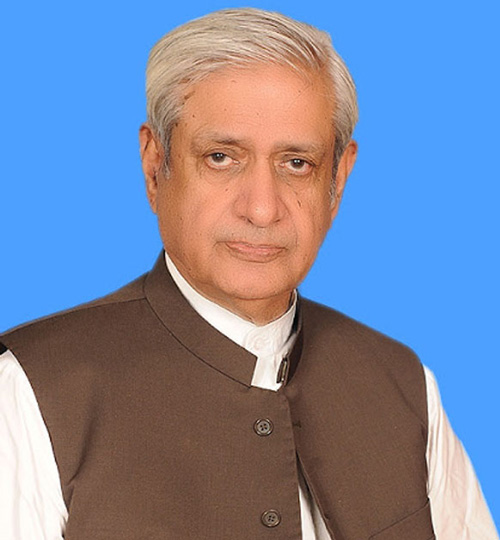
Federal Minister for National Food Security and Research, Syed Fakhar Imam, has said that there is no immediate threat of food shortage in the country despite the ongoing locust attack and the prediction of surplus Monsoon rains. However, the government is planning strategy for next year in view of declined agricultural production.
Talking to Voice of America during an interview with Ali Furqan, the federal minister said that the Met office has predicted ten percent surplus rains during the monsoon season which may affect Khareef crop in the country as climate variations are causing a change in traditional monsoon rains every year. Fakhar informed that a strategy to deal with expected Monsoon rains and floods is also being discussed with provinces at national command and control centre.
He said, Ministry of Food in collaboration with National Disaster Management Authority (NDMA) will make all-out efforts to save crops from rains and floods, saying, “We can make an estimate of threats like locust, rains and floods which can be prevented to some extent but complete protection is not possible for crops under the open sky.” The minister said that the government is working on the crops insurance policy to make it easier to benefit the farmers.
Pakistan Meteorological Department has predicted floods in country’s eastern rivers due to surplus monsoon rains from July to September this year and risk of urban flooding will persist in big cities. Pakistan’s Agriculture is facing attack of locust along with severe weather conditions while Met office has predicted that monsoon rains will provide ideal environment for the growth of locust.
Minister for Food Security said that fertilization of locust is a big threat for Paksitan’s agriculture and the government is working on preventive measures in collaboration with the provinces. He informed that locust stayed in Rajhistan desert last year due to untraditional rains in October and November and because of its fertilization in the desert it spread in such areas where it had never reached before.